
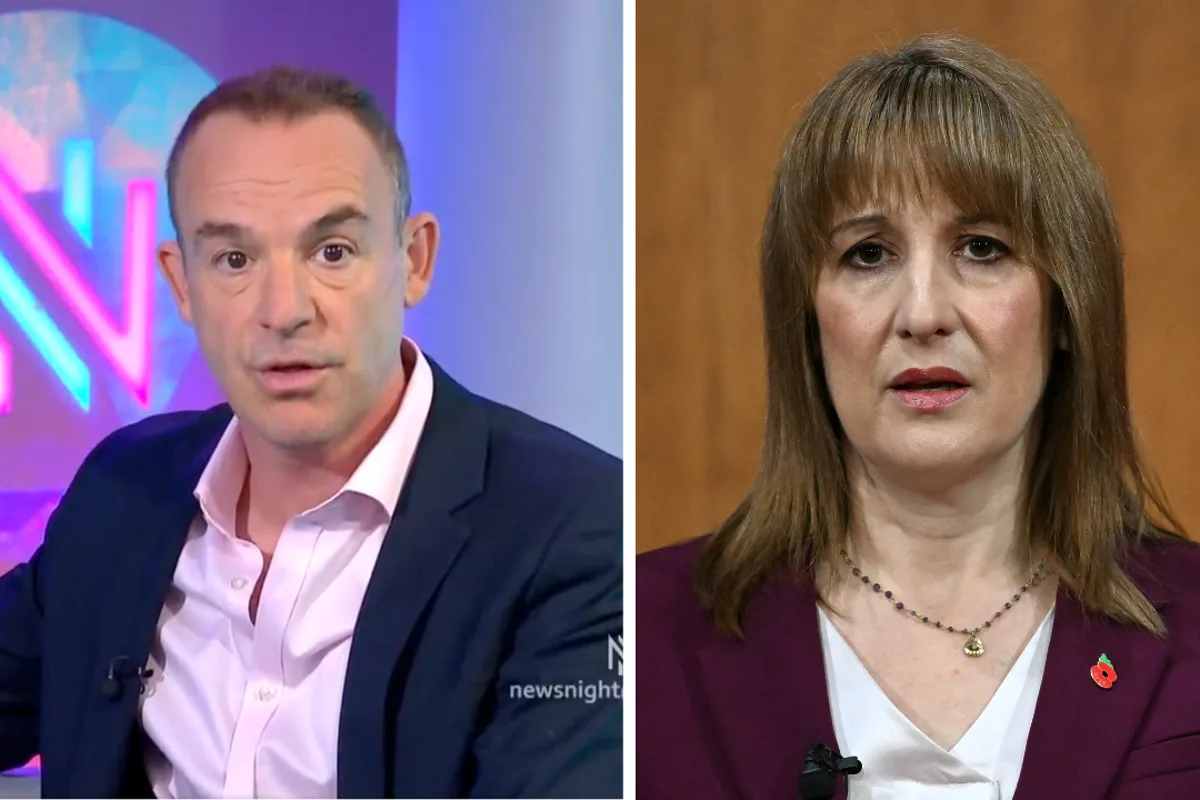
Graduates are being “squeezed” to raise revenue for the government, experts have warned, as criticism mounts over the decision to freeze the student loan repayment threshold. Martin Lewis, founder of MoneySavingExpert, has condemned Chancellor Rachel Reeves’s move, estimating it will cost borrowers around £300 more per year by 2030.
At the Budget in November, the government announced that the salary at which graduates must start repaying their Plan 2 student loans will be frozen at £29,385 for three years from April 2027. Lewis described the freeze as a “breach of natural justice” and urged Reeves to “have a rethink”, stating: “I do not think it is a moral thing for you to do.”
Reeves defended the system as “fair”, arguing that half of Britons who do not attend university should not bear all the costs for those who do. However, Toby Whelton of the Intergenerational Foundation countered that the framing misses the point, noting that older generations had their tuition largely paid by taxpayers but are now unwilling to extend the same support. He said graduates are being “singled out as the path of least political resistance”.
The National Union of Students (NUS) warned the freeze could leave new graduates struggling with rent, food, and bills. Alex Stanley, NUS vice-president of higher education, said: “We went to university, signed a complex contractual agreement, and now that loan is a political football impacting our bank balances each month.”
The student loan system was overhauled in 2012 by the coalition government, raising tuition fees to £9,000 and introducing Plan 2 loans with interest rates up to RPI plus 3%. Critics argue the freeze on repayment thresholds breaks a promise made to students who took out loans under that system.




