College Pup Programs: Students Train Future Service Dogs While Gaining Life Skills
University campuses across the United States have become unexpected training grounds for future service dogs, with college students volunteering to raise and socialize puppies through organized programs. The Guide Dog Foundation (GDF) coordinates these initiatives, which benefit both the animals and the student volunteers who care for them.
A Campus Encounter That Changed Everything
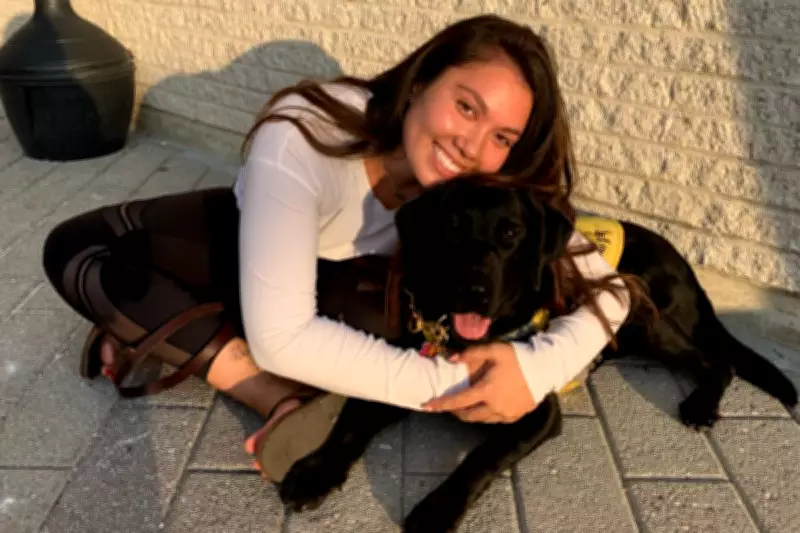
Alex Pechler, now 27, vividly recalls her first encounter with the program as a freshman at the University of Maryland. "I was walking across campus when I saw a group of puppies scampering around in tiny yellow vests," she tells The Independent. "I didn't know exactly what was going on, but I knew I needed to be a part of it."
Those puppies were part of Terps Raising Pups, one of several college programs organized by the Guide Dog Foundation. Student volunteers commit to housing and socializing puppies from eight weeks old until approximately 16 months, preparing them for formal service animal training.

Mutual Benefits for Students and Puppies
Allison Storck, GDF Director of Public Relations and Marketing, describes the arrangement as a two-way system that provides substantial advantages for both parties. "Who doesn't love the thought of having a dog in a college dorm when you're going through university?" she says. "After one of their dogs comes back for formal training, a lot of the students sign up for another one right after."
The programs offer students structure, responsibility, and documented mental health benefits while providing puppies with crucial early socialization. "I can't think of a better setting than a college campus," Storck emphasizes. "You've got so many things going on."
Expanding Programs Across American Campuses
The first GDF college puppy-raiser program launched over a decade ago at the University of Georgia. Since then, the initiative has expanded significantly, with programs now operating at 14 additional colleges including Texas A&M, Mississippi State University, and Clemson University.
These programs collectively employ more than 400 students and engage a broader network of 1,600 volunteers. Grayson Shirley, a 21-year-old senior at the University of Georgia, exemplifies the program's appeal. She recently waved off her third trainee, Luke, on February 19 and welcomed her fourth dog, Luckie, just three days later.
"I signed up to take Luckie back in December so I had that time to plan when Luke was leaving," Shirley explains. "It was really set up very nicely." Shirley now serves as an area coordinator for UGA's Dawgs Raising Dogs program.
Comprehensive Training and Socialization
Student volunteers teach puppies basic house manners and expose them to various stimulating or stressful situations they might encounter as working dogs. "We will take five, six or seven dogs or more to a sporting event, to a store or a restaurant, or we've gone to see a movie before," Shirley describes. "This practices full group settling, which is just the dog learning how to be comfortable in an environment that they're not familiar with."
Volunteers also provide foundational skills training, including commands like heel, sit, stay, and appropriate bathroom habits. This pre-training proves crucial for the dogs' future owners. "These are individuals with disabilities, so they need to be perfect and have very good house manners and reliable routines," Storck explains. "Socialization is essential. They need to be able to be out in the public and not be fazed by anything that could happen."
Life Skills Development for Students
The benefits extend well beyond the puppies. "I honestly think that this program gave me a ton of organization skills that I wouldn't have gained just being a regular student," Pechler reflects. "You need to start managing your time, making sure that you have plenty of time to walk to class and that you can have time to let the dog relieve themselves before entering. You really learn how to manage responsibilities."

Shirley adds that the program provides emotional benefits as well. "It's given me an outlet in a lot of ways," she says. "School, work, all of those things can be a little overwhelming, but even though there is that added responsibility of having a dog, it is something that I can pour my heart into. It's definitely kind of given my free time a dedicated purpose."
Rigorous Safeguards and Support Systems
The GDF implements comprehensive safeguards to ensure both puppy welfare and program integrity. Student volunteers undergo thorough background checks and assessments of their dog experience. Homes and dorm rooms receive detailed inspections to confirm appropriate living conditions.
After placement, monthly check-ins assess each dog's physical and behavioral wellness. Volunteers maintain 24-hour access to support for overnight emergencies. The foundation provides veterinary care, grooming supplies, crates, leashes, bowls, and most necessary equipment, though dog food remains the volunteer's responsibility for now.
From Volunteer to Professional
For some participants, the experience leads to professional opportunities. Pechler now works as a service dog instructor for America's Vet Dogs, which provides support animals for military veterans. She still remembers her first college pup, Freida, with deep affection.
"I remember seeing her in a baby crate, and they just held her up and passed her over to me," she recalls. "It was the sweetest thing. She was tired, she was small. She was about 10 pounds at the time, I already knew I was going to be in love with her."
Pechler's initial attraction to the puppies evolved into appreciation for the program's broader mission. "My love started for the dogs, but then I found out about the mission and the impact that they have on helping people get independence and I fell in love with the people after that," she says.
Essential Partnership for Service Dog Success
The relationship between student volunteers and the Guide Dog Foundation proves mutually essential. "We couldn't have the dogs ready for placement and to learn their formal skills without our puppy raisers," Storck acknowledges. "It's an essential part of what we at the Guide Dog Foundation do as an organization."
As these campus programs continue expanding, they create meaningful connections between college students seeking purpose and future service dogs needing early socialization—a partnership that transforms lives on both ends of the leash.