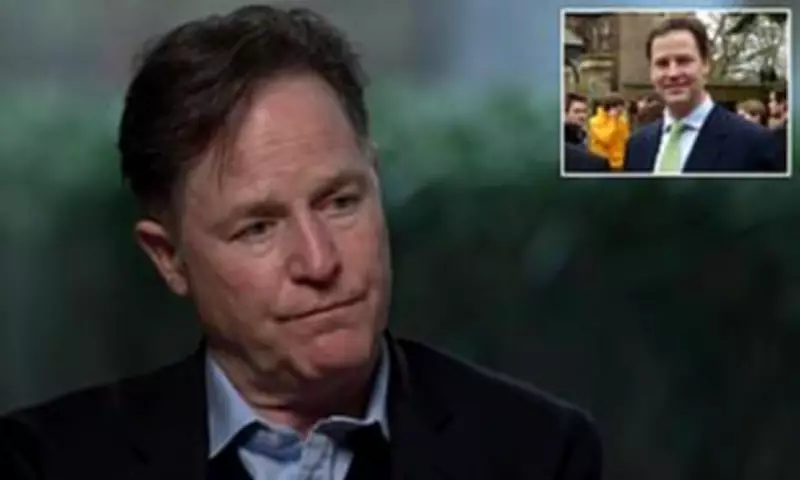
Sir Nick Clegg has publicly declared that the university tuition fee system in Britain is 'a mess' and 'deeply unfair', more than ten years after he played a pivotal role in introducing the highly controversial reforms. The former deputy prime minister, who oversaw the tripling of tuition fees while in office, has admitted that the student loans framework is leaving graduates feeling 'very sore' and financially strained.
Coalition-Era Reforms Under Scrutiny
Plan 2 student loans were issued to individuals starting university from 2012 to 2023 under the system established by the Conservative-Liberal Democrat coalition government. At that time, Sir Nick, serving as the Lib Dem leader and deputy PM, was forced to apologise for breaking a solemn pledge not to increase tuition fees after charges were dramatically tripled to £9,000 per year.
Current Financial Pressure on Graduates
The Labour Government is now under immense pressure to alleviate the burden on young people following adjustments made in Chancellor Rachel Reeves' Budget last November. Specifically, the salary threshold at which Plan 2 student loan repayments commence will be frozen at £29,385 for a three-year period. This policy change means that more graduates will begin repaying their loans sooner after entering the workforce, with borrowers required to make repayments equivalent to 9 per cent of their income above this threshold.

There has also been widespread and severe criticism directed at the eye-watering interest rates applied to Plan 2 loans. These rates are charged at the Retail Price Index (RPI) inflation rate plus up to an additional 3 per cent, depending on a graduate's earnings level. This structure has sparked significant fears that student loans have effectively become a 'debt trap' for many young professionals.
Clegg's Candid Reflections and Calls for Reform
Speaking about the substantial burden now faced by graduates, Sir Nick told the BBC: 'The system has become a mess. I obviously played, notoriously, a role in the increase of tuition fees in 2012.' He elaborated further, stating: 'The point is, it's been fiddled with constantly. That's why graduates I think quite rightly feel very sore because they are sort of running to stand still now. And the terms in which they took out these graduate loans have been constantly chopped and changed. And most egregiously this constant freezing of the point at which you start repaying and that is deeply unfair.'
Sir Nick, who worked for the tech giant Meta after leaving the House of Commons in 2017, has called for a comprehensive overhaul of the student loan system. He suggested: 'I think there might even be scope for creating some kind of independent institution so that governments of whatever persuasion can't constantly change the goalposts.'
Political Accountability and Future Proposals
When asked if student loans had been 'mis-sold' to teenagers, Sir Nick responded: 'I can quite rightly be held responsible for the decisions I took in the five years I was deputy prime minister, and I will always happily take whatever people say on the chin about that period of time. But I can't be held responsible for what happens afterwards.'
In related political developments, Tory leader Kemi Badenoch has recently pledged to limit the interest charged on student loans to the RPI rate only, while simultaneously cutting the number of university entrants and increasing apprenticeship opportunities. The Liberal Democrats, now led by Sir Ed Davey, have also pledged to reduce costs and have called for the repayment threshold freeze to be scrapped entirely. Additionally, they advocate for the establishment of a royal commission to consider longer-term changes, including replacing the RPI with a 'fairer' and more equitable rate.