
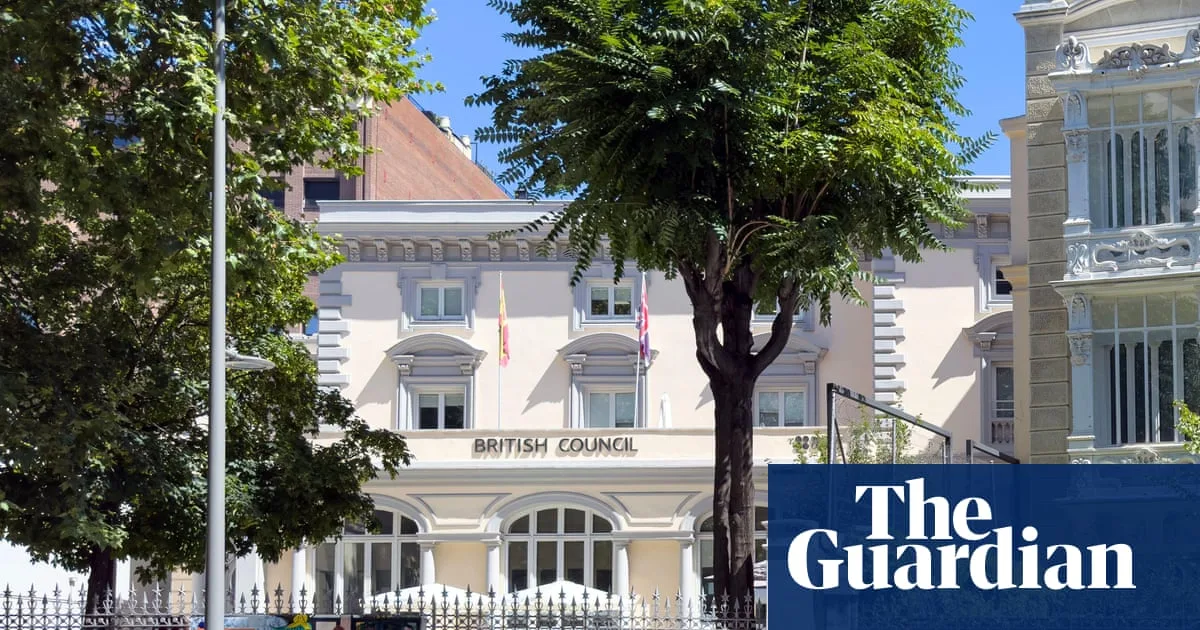
Prof Mark R Sanderson has warned that the hollowing out of the British Council across Europe should alarm anyone who cares about the UK's standing in the world. In a letter responding to reports of the sale of its historic Madrid building, he described the council as one of Britain's most effective instruments of soft power.
Sanderson said the proposed sale or downsizing of long-established teaching centres in Madrid, Milan and Naples, with the loss of dedicated skilled staff, would be an irreparable loss. He noted that these buildings were acquired when city-centre property was affordable and replacing them would be impossible at anything like the same cost.
He highlighted that the council's excellent libraries in Paris, Rome, Athens and Lisbon have already disappeared. These collections were built up over many decades and were once central to Britain's cultural presence in Europe.
Since Brexit, the council has lost access to EU programmes that previously supported a significant part of its European work. Combined with the financial shock of the pandemic, this has led to closures, redundancies and a retreat from a continent where the UK once had a strong cultural footprint.
Sanderson argued that this is happening precisely when Britain needs more international engagement, not less. He called the British Council a strategic asset that deserves stable funding and a clear role in Britain's post-Brexit foreign policy, stating it is not a luxury.




