A week of disruption across Europe, including cyber-attacks on supermarkets and hoax bomb threats on flights, has revealed how delicate everyday life has become, according to an opinion piece by James Knuckey.
The incidents have prompted warnings that complacency is no longer an option, with speculation that Russia could be responsible, although nobody has been blamed and it remains unclear whether the events are linked.
Cyber-Attacks Hit Supermarkets
The week of chaos began when dozens of supermarkets in 10 European nations were hit by cyber-attacks on Monday, causing temperatures in refrigerators and freezers to soar. Retailers had to discard produce as a result, in what the EU's food and agriculture commissioner condemned as "a deliberate attempt" to disrupt the food supply chain.
British meat suppliers were also affected, although there was no impact on produce as units were empty at the time. The Association of Independent Meat Suppliers said a few of its roughly 300 members had "unexpectedly become collateral" from the hack.
Some members saw fridge systems begin to defrost on Monday night, while another saw their unit rise up to a scorching 100C in temperature. The piece argues this development should firmly put to bed accusations the Government is "scaremongering" by urging Britons to begin stockpiling water and food supplies.
Bomb Threats on Flights
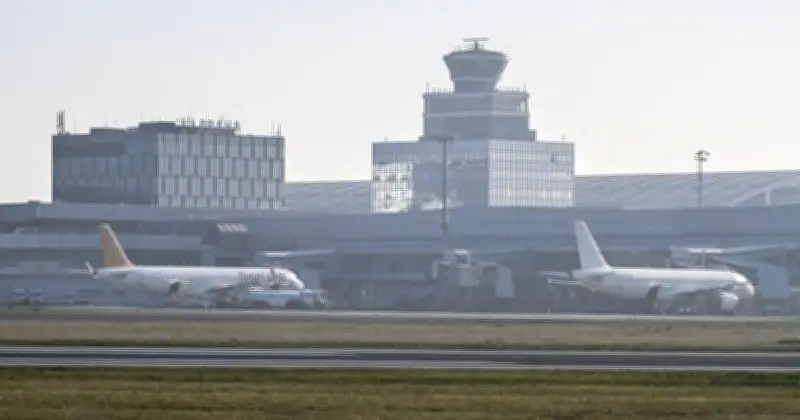
A day later, seven flights across Europe were the subject of hoax bomb threats. Then on Thursday yet more chaos ensued as similar threats were made against what is believed to be at least 27 flights.
No explosives were found on any of the passenger planes, some of which took off from the UK. Further incidents regarding threats have since been reported.
Moscow has been accused by several European nations of waging an intensifying campaign of sabotage and hybrid attacks, action that is plausibly deniable and falls below the armed conflict threshold. Russia has repeatedly denied any involvement.
Remembrance and Navy Drone Tests
King Charles led the nation in a two-minute silence on Remembrance Sunday, laying a wreath at the Cenotaph in central London during the National Service of Remembrance. Some 10,000 veterans took part in the annual march past the Cenotaph in Whitehall, with further commemorations set to take place on Remembrance Day.
Separately, strike drones were launched from a Royal Navy aircraft carrier for the first time. The British-made Nyan Maritime one-way drones took off from HMS Queen Elizabeth during trials in the North Atlantic last month, with the Navy billing the tests as a "major step" towards transforming how Britain fights at sea.