
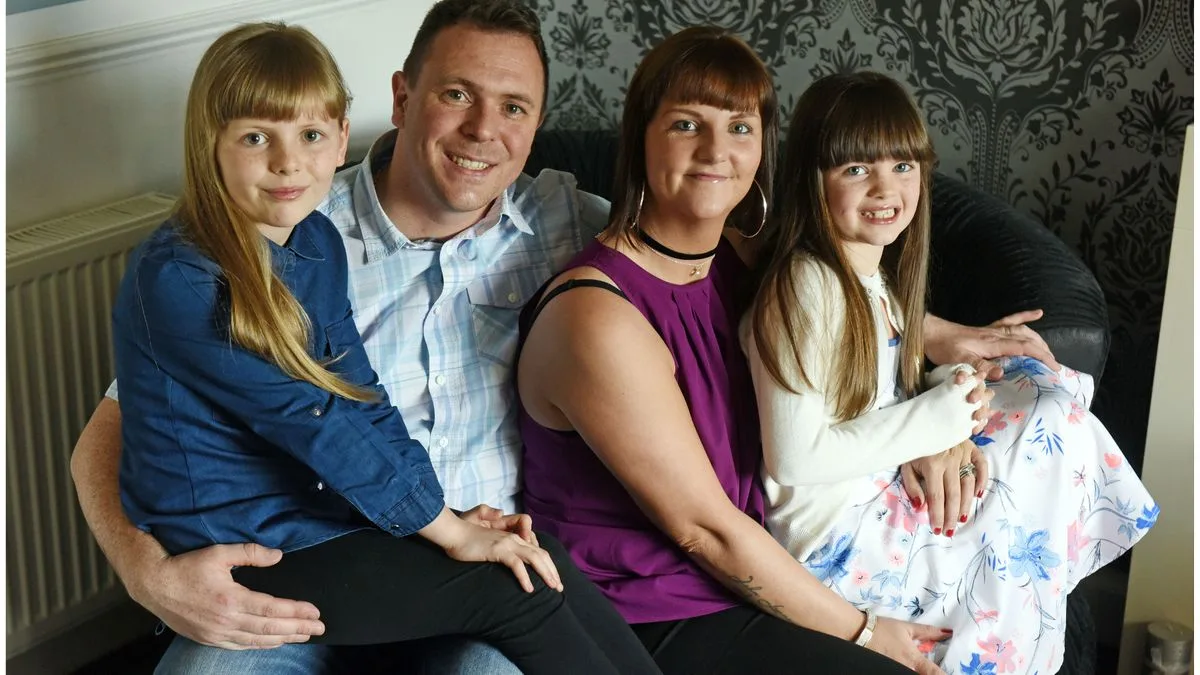
Thousands of military families across the UK are fighting lonely battles to keep their relationships intact after loved ones return from war, according to a new investigation. While awareness of post-traumatic stress disorder (PTSD) has grown, the impact of secondary trauma on partners and children often goes unrecognised.
Matthew Green, author of 'Aftershock: Fighting War, Surviving Trauma and Finding Peace', said the stigma around mental health in society and the military has led to the hidden toll on families being overlooked. He noted that veterans with PTSD often struggle to open up, making it harder for families to seek help.
“The wives or partners of ex-forces personnel suffering from war trauma often pay the highest price,” Green said. “The stress of living with somebody suffering from anxiety, flashbacks or addiction can easily tear families apart.”
Green called on the Government to take greater responsibility, rather than relying on charities. He highlighted the suicides of two young Afghanistan veterans, Aaron Black and James Lindsay, as heartbreaking examples of the system failing former soldiers.
Data from the charity Combat Stress showed a 26 per cent rise in people seeking help for mental trauma in 2014-15, with 2,264 cases. The Ministry of Defence reported that the number of service personnel with mental health disorders rose from 3,927 in 2011 to 5,076 in 2013.
Former soldier Deborah Burns, who battled postnatal depression, homelessness and bankruptcy after leaving the Army, said: “It’s definitely not just the person – the soldier – that suffers with trauma. It has a massive effect on those around them, too. It is like an aftershock that affects the people around them.”




