
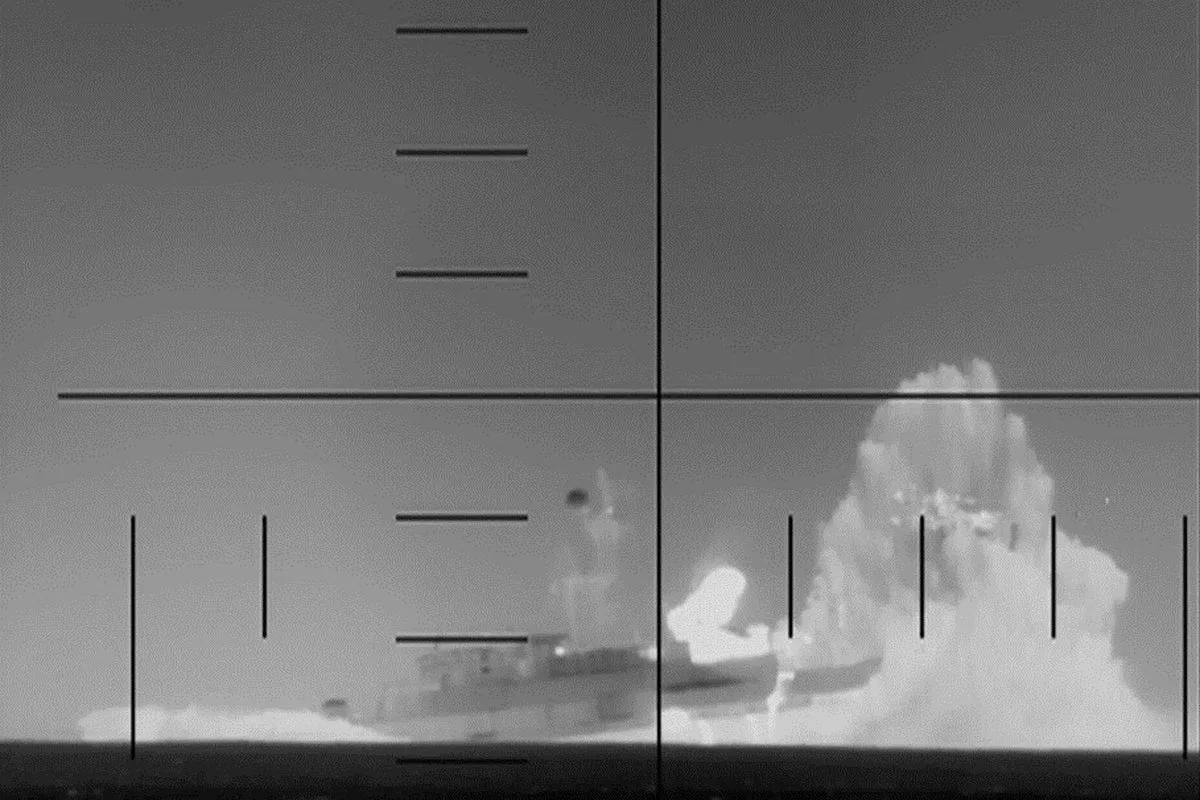
A US submarine has sunk the Iranian frigate IRIS Dena off the southern coast of Sri Lanka, killing 87 people. US Defense Secretary Pete Hegseth confirmed that the submarine struck the ship with a torpedo, describing the event as a 'quiet death'. This marks the first time a US submarine has launched a torpedo in combat or destroyed a ship since the Second World War.
Torpedoes remain a primary weapon for attack submarines, despite their age. They are essentially small, unmanned submersibles that combine features of mini-submarines and missiles, designed to target both submarines and surface ships. Modern torpedoes are generally dual-purpose, though single-purpose variants are more specialised and often more lethal.
Torpedoes are initially connected to the launching submarine by a wire or fibre-optic cable that transmits targeting data. As the torpedo approaches its target, the wire is cut, and the torpedo switches to its own active sonar for final guidance. The exact range of torpedoes is classified but may extend to tens of kilometres, depending on propulsion type—electric motors offer faster acceleration, while fuel-powered versions provide greater range.
Submarines rely on stealth to launch surprise attacks from underwater, as surfacing to fire missiles risks detection. Torpedoes can be fired while submerged, making them ideal for offensive operations. Sonar is the primary detection tool underwater, with passive sonar listening for engine noise and active sonar using sound pulses to locate objects, though active sonar can reveal the user's position.
Defensive measures against torpedoes include sudden acceleration and radical changes of direction to break guidance wires or confuse sonar. Surface ships and submarines may also deploy countermeasures such as decoys or jamming systems to evade attacks.




