According to newly disclosed Pentagon documents, the United States military churned through a staggering $5.6 billion worth of munitions during just the first two days of its war against Iran. This revelation underscores the immense financial burden of the overseas conflict, which ignited following a surprise joint attack by the US and Israel on February 28, 2026.
Conflicting Estimates and Escalating Costs
The reported $5.6 billion figure, provided to lawmakers on Monday, March 9, appears to conflict with earlier official estimates. Over the weekend, The New York Times indicated that Defense Department officials had informed Congress the first seven days of hostilities cost approximately $6 billion, with about $4 billion allocated to munitions, including interceptors used to neutralise Iranian missiles.
Three unnamed officials confirmed to The Washington Post that the Pentagon delivered this latest assessment nine days after the initial strikes, which have expanded into a broader regional conflict resulting in hundreds of casualties.

Precision Strikes and Strategic Shifts
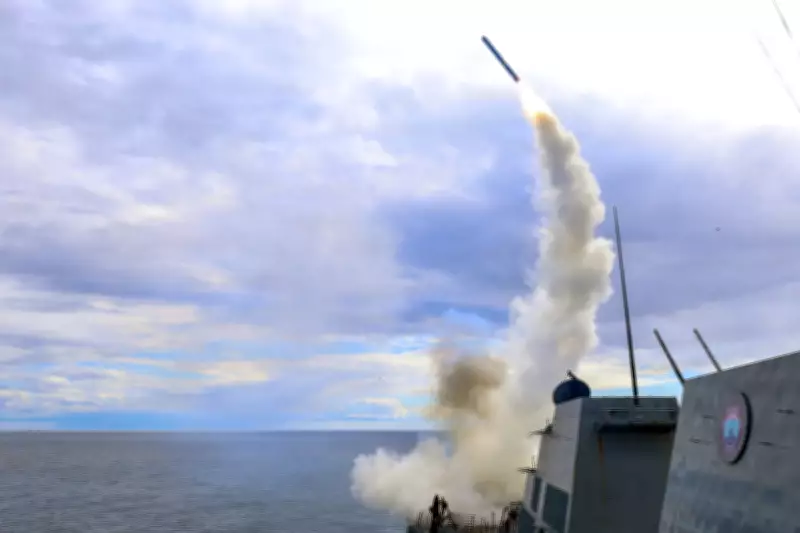
Since the outbreak of war, the US has launched over a hundred precision weapons, including Tomahawk cruise missiles. Each Raytheon-manufactured, GPS-guided missile carries a price tag of around $1.3 million, as reported by Business Insider.
To date, American forces have struck more than 5,000 targets within Iran and sunk over 50 Iranian vessels, according to General Dan Caine, Chairman of the Joint Chiefs of Staff, during a Tuesday press conference. Defense Secretary Pete Hegseth emphasised the US is prepared to execute its "most intense set of strikes inside Iran."
However, both Caine and Hegseth indicated last week that the military intends to transition from precision munitions to laser-guided bombs, which are held in greater abundance. Caine had previously cautioned President Donald Trump that a prolonged conflict risked depleting critical weaponry stocks, The Independent noted.
Domestic Criticism and Public Opposition
The disclosure has ignited fierce criticism on social media and among political figures, who argue the expended funds could have addressed pressing domestic needs. Senator Jeff Merkley, an Oregon Democrat, posted on X: "Trump's war of choice has ALREADY cost us $5 billion. All while he's ripping health care and nutrition assistance away from millions of Americans."
One social media user highlighted: "$5.6 billion could have paid for over 356,000 Medicare or 568,000 Medicaid enrollees." Another added: "Reminder that would cover the entire budget deficit of New York City, the largest city in the United States."
Public sentiment appears largely against the military action. A recent Quinnipiac survey found 53% of American voters oppose military action against Iran, with only 40% in support. Additionally, 77% anticipate the conflict will lead to a terror attack on US soil.
Administration Response and Future Funding
Officials stated the Trump administration is expected to submit a supplemental defense budget request to Congress in the coming days to finance the ongoing campaign, a proposal potentially reaching tens of billions of dollars. Pentagon Spokesman Sean Parnell asserted the Defense Department possesses "everything it needs to execute any mission at the time and place of the President's choosing and on any timeline." The Pentagon declined to comment directly on the report to The Independent.
Iran retaliated for the initial strikes by bombarding Israel and allied nations in the region, including Qatar, Kuwait, and the United Arab Emirates. State media reports nearly 1,000 Iranian fatalities, while the Pentagon confirms seven US service member deaths. President Trump has not established a definitive timeline for the war but told CBS News on Monday he believes it is "very complete."