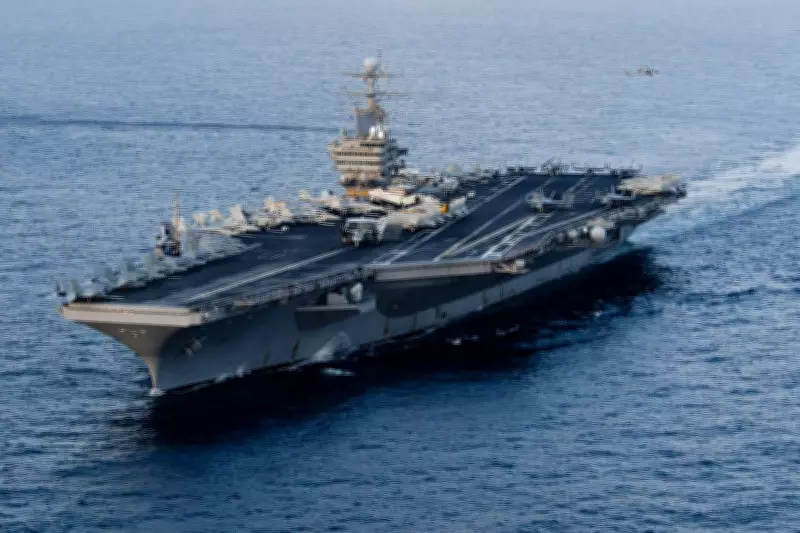
US Military Intercepts Iranian Drone Approaching Aircraft Carrier in Arabian Sea
The United States military has confirmed the downing of an Iranian unmanned aerial vehicle in the Arabian Sea on Tuesday, February 3rd, 2026. The incident involved a Shahed-139 drone that was reportedly approaching the USS Abraham Lincoln, a Nimitz-class aircraft carrier operating in the region.
A spokesperson for US Central Command stated that the drone's intent remained unclear, but its manoeuvre towards the warship was deemed unnecessary and potentially threatening. The engagement took place approximately 500 miles off the southern coast of Iran, highlighting the ongoing volatility in Middle Eastern waters.
Trump Issues Warning Amid Rising Tensions
In a related development, former President Donald Trump commented on the situation, emphasising the risks of diplomatic breakdown. "If we can't talk to Iran, bad things could happen," he stated, echoing concerns about escalating conflicts. This remark underscores the broader geopolitical stakes involved, as such incidents could easily spiral into more serious confrontations between the two nations.

The downing of the drone marks another flashpoint in the long-standing tensions between Washington and Tehran. Military analysts note that the Arabian Sea has become a critical zone for naval operations, with both sides frequently testing boundaries. The USS Abraham Lincoln, a key asset in US naval power projection, was conducting routine patrols when the encounter occurred.
Operational Details and Regional Implications
According to official reports, the Shahed-139 drone was intercepted after it failed to alter its course away from the carrier group. The US military emphasised that all standard protocols were followed to ensure the safety of personnel and assets. This event follows a pattern of similar incidents in recent years, where Iranian drones and vessels have operated near US naval forces, sometimes leading to defensive actions.
The strategic implications are significant, as the Arabian Sea serves as a vital maritime corridor for global trade and energy shipments. Any escalation here could disrupt shipping lanes and inflame regional security dynamics. Experts warn that without clear communication channels, misunderstandings could precipitate unintended clashes, potentially drawing in other actors in the Gulf region.
As investigations continue, both sides are likely to assess their next moves carefully. The incident underscores the fragile balance of power in the Middle East and the ongoing challenges of managing rivalries in contested waters.