
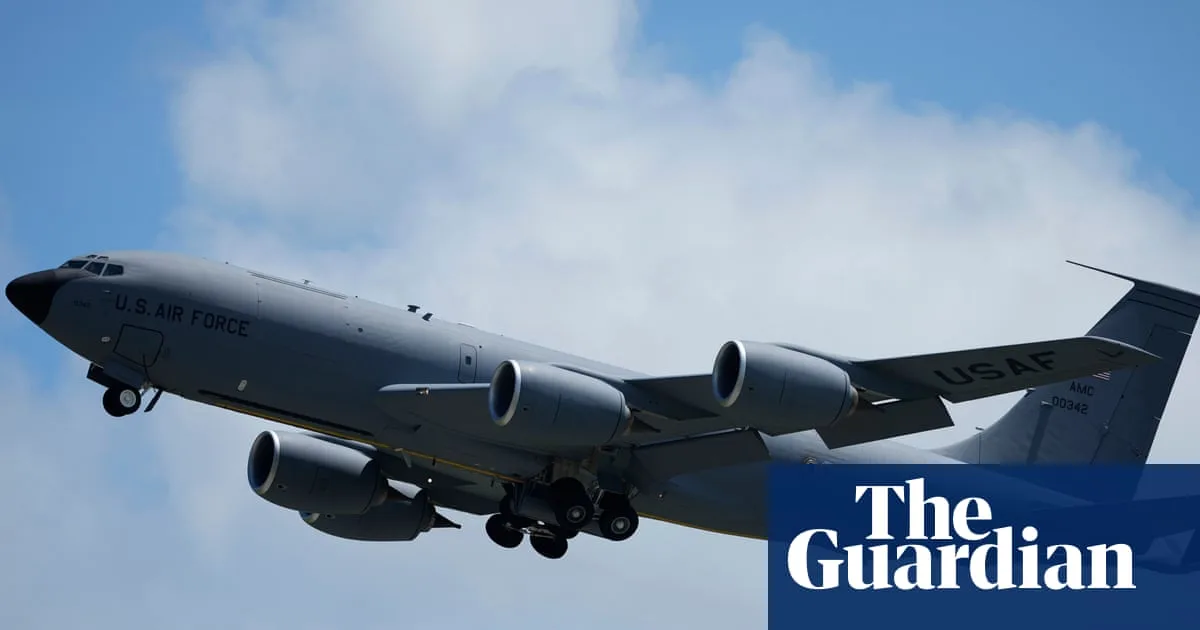
All six crew members aboard a US military aircraft that crashed in western Iraq have been confirmed dead, the US military announced. The KC-135 refuelling plane went down on Thursday in an incident involving another aircraft, but not due to hostile or friendly fire, according to officials.
The crash site lies in Iraq's western desert, a region housing bases of Iran-aligned Shia militias and previously targeted by Israeli and US airstrikes. The incident brings the number of American troops killed in the ongoing conflict with Iran to 13, with up to 150 wounded.
Separately, a French soldier was killed in an attack in Iraq's Kurdistan region, President Emmanuel Macron confirmed on Friday—the first French military death in the war. The pro-Iranian group Ashab al-Kahf warned on Telegram that French interests in Iraq and the region would be targeted after the arrival of a French aircraft carrier.
US Central Command stated that rescue efforts were underway following the crash, with a second aircraft involved landing safely. This is the fourth US aircraft lost since the US-Israeli offensive against Iran began on 28 February; three fighter jets were previously shot down by Kuwaiti air defences, though all crew ejected safely.
Iran's new Supreme Leader, Mojtaba Khamenei, vowed to avenge Iranian casualties, which exceed 1,300 according to Iran's UN ambassador. Meanwhile, Israel reported a new barrage of missiles from Iran overnight, injuring two people in the north, and continued strikes on Beirut, threatening expanded operations against Hezbollah in Lebanon.




