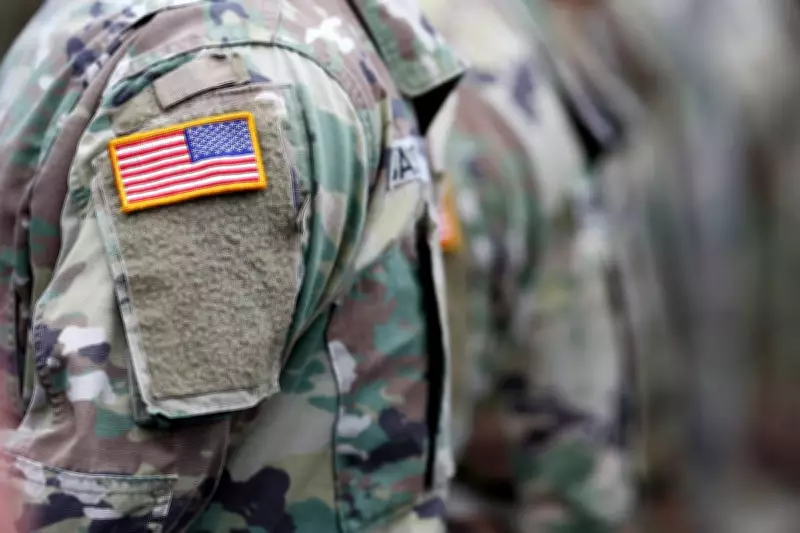
Members of the US military were observed at Charlotte Motor Speedway on 28 May 2017 in Charlotte, North Carolina, a scene captured by photographer Sarah Crabill via Getty Images. This imagery underscores the ongoing presence of American forces, now at the centre of escalating fears about a potential military draft as former President Donald Trump's protracted conflict with Iran continues.
Chatter and Anxiety Over US Military Draft Intensify
Although the United States is almost certainly not planning to reinstate a military draft to combat Iran, widespread media commentary and online anxiety have surfaced, reflecting deep-seated concerns across the nation. In recent weeks, Trump has directed numerous marines and army paratroopers to deploy to the Middle East, hinting at a possible ground war aimed at reopening the Strait of Hormuz or securing nuclear weapons materials. This provocative military activity has sparked speculative conversations about the immense challenges of invading a country with twice the population and three times the territory of Iraq.
White House Fuels Debate with Vague Responses
The White House has done little to quell the debate. On 8 March, White House press secretary Karoline Leavitt responded vaguely to conservative journalist Maria Bartiromo's question about the possibility of a military draft during a Fox News interview. Leavitt stated, "The president, as commander-in-chief, wants to continue to assess the success of this military operation. It's not part of the current plan right now, but the president, again, wisely keeps his options on table. There's no greater priority or responsibility to this president than, of course, protecting the American people and protecting our troops." Her non-conclusive answer allowed commentary about a draft to snowball, with news organisations like Task and Purpose, Yahoo, and USA Today publishing stories on how such a draft would function.

Influence Operations and Social Media Amplify Fears
Simultaneously, an influence operation by Iranian shill accounts began amplifying criticism of the war shortly after the initial US strikes on Iran. Researchers at Clemson University in South Carolina tracked this shift in a network of fake accounts. Social media users also noted a change to the Selective Service program, instituted in the National Defense Authorization Act signed by Trump in December, which automates registration for the program that maintains a list of eligible individuals in case a draft is reinstated. Clickbait accounts misleadingly headlined posts claiming young men had been "automatically drafted" into service, though the change was merely administrative.
Recruiting Changes and Political Reactions
Americans further observed that the US army revised its recruiting regulations on 20 March, raising the maximum enlistment age to 42 from 35 and removing some restrictions for those convicted of marijuana possession. These adjustments led some to speculate that the military faces recruiting challenges, but the army actually met its 2025 goal of 61,000 new soldiers four months early. Lawrence Romo, a former director of the Selective Service System under the Obama administration, commented, "I mean, it's a free country, they can talk about it all they want. But I don't think it's serious unless there's a long-term issue with not being able to recruit for the volunteer force in the long term, or we have a war where we have no choice, right?"
Satire and Political Liability
Shortly after US attacks on Iran, South Park writer Toby Morton launched DraftBarronTrump.com, satirising Trump's willingness to send others into combat while his family, including himself, avoided military service through draft deferments for bone spurs. The site highlighted Trump's claim that his son was "too tall" to enlist, and by 2 March, the hashtag #SendBarron trended on X and TikTok. As draft talk proliferated on social media, Politico interviewed California Governor Gavin Newsom, who suggested exploring ways to frame a responsibility to serve for a year or more to foster shared experiences. Notably, Newsom and comedian Rob Schneider, who called for mandatory military service, have never served themselves.

Trump's Denial and Campaign Implications
There is significant political liability for Trump in even discussing a draft. During the 2024 campaign, he sharply rejected the idea, posting on Truth Social on 11 June 2024, "The Fake News Washington Post came up with the ridiculous idea that Donald J. Trump will call for Mandatory Military Service. The Story is completely untrue. In fact, I never even thought of that idea." This denial underscores the sensitivity of the issue amid ongoing military tensions.