British Military Medics Aid Ukraine's Amputee Veterans in Kyiv Rehabilitation Centre
UK Medics Help Ukrainian Amputee Veterans Recover

At a specialist treatment centre in Ukraine, British military medical personnel are working alongside Ukrainian staff to support the recovery of soldiers who have lost limbs in the war against Russia. The facility, visited by The Guardian, sees dozens of seriously wounded Ukrainians each month, with the total number of amputees across the country estimated to be in the tens of thousands.

From the Battlefield to Rehabilitation

One of those receiving care is Vladislav, a 31-year-old former arbitration lawyer. His life changed forever on 21 August near Lyman in north-eastern Ukraine. A Russian fibre-optic drone struck the buggy he was travelling in. "I checked my crotch, if everything's in the right place," Vladislav recalls with a grin. After confirming he was otherwise intact, he applied a tourniquet to his catastrophically injured left leg, saving his own life.

He later found footage of the attack on a Russian military social media channel. Rescued but fading in and out of consciousness, he describes a common near-death experience. "I saw a white tunnel with a light at the end," he says. It was a comrade accidentally elbowing his wounded leg that brought him back, "with every curse I knew."

British Expertise on the Ground

Providing crucial support at the centre are British military doctors, physiotherapists, and occupational therapists from the UK's defence medical services. They are part of the little-publicised Project Renovator. "The numbers here are truly humbling," says Mike, a British rehab consultant and an army lieutenant colonel. Mike, who served in Afghanistan, says the UK team brings an understanding of complex amputee rehabilitation that can "help move their patients on to new legs quicker."

He is keen to stress the exchange is two-way. Thanks to innovative surgery, electrical stimulation, and rehab techniques, the Ukrainians "are managing to fix nerve injuries faster than I've previously seen," Mike explains. The British government has minimally acknowledged its military presence in Ukraine beyond the embassy. Security for the medical team remains tight, with only Mike being identified.

Healing Body and Mind

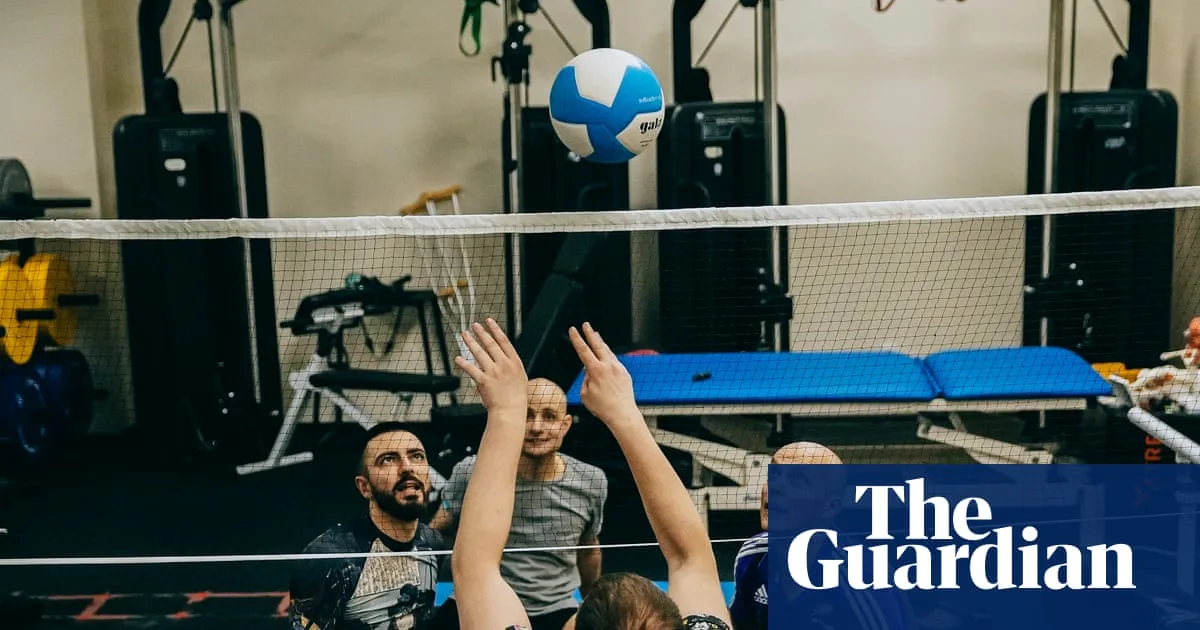
The centre's approach is holistic. Alongside physical treatment, it employs "psychologically aware clinicians" to identify when patients encounter mental health struggles. A key part of recovery is the group dynamic, exemplified by veterans playing volleyball together, motivating each other through shared experience.

For Vladislav, the road has been challenging. He admits that after two to four weeks, when alone, "I cried a lot." He likened the process to "a divorce" before reaching a point of acceptance: "Let it be." Support from his family, including his baby son Adam, has been vital. He delayed telling his pregnant wife about his injury for about a month and a half.

Another patient, Oleksandr, 48, a former fitness teacher, lost both legs below the knee after an artillery shell landed near him on 18 October 2024. His recovery has been gruelling, involving multiple surgeries, a month in intensive care, and learning to use a wheelchair. "In the beginning it was hard for me just to sit in the wheelchair. I was sweating immediately," he says. Gradual gym work with rehab experts helped him reach a turning point: "I knew then I would get through."

UK Defence Secretary John Healey said: "I'm proud that the UK is stepping up to ensure wounded Ukrainian soldiers get the best possible treatment." He stated the goal is to work alongside Ukrainian teams "to deliver care and rehabilitation," an effort that will need to continue long after the war ends.

Vladislav hopes to be discharged with a final prosthetic leg early this year. Oleksandr's future is less certain; he hopes to return to work as a fitness trainer but must first learn his new capabilities. "When I will learn walking, I will understand what my abilities are," he says, a sentiment echoing the long journey of recovery faced by thousands.




