UK Government Withholds Permission for US Iran Strikes from British Soil
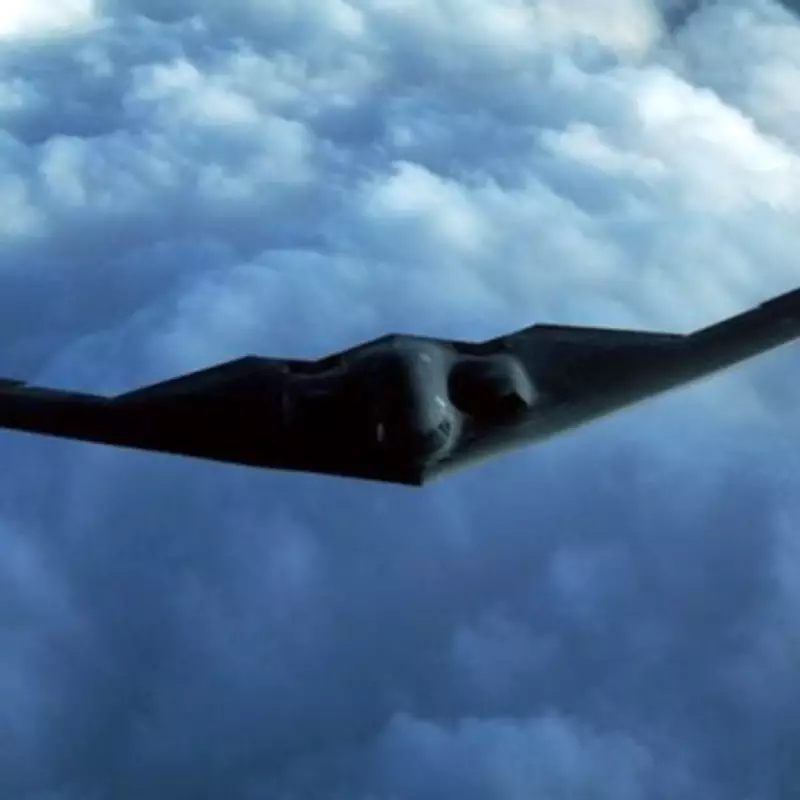
The British government has reportedly declined a request from the United States to authorise offensive military operations against Iran originating from UK military installations. This decision, which centres on legal considerations and international protocols, threatens to strain the longstanding special relationship between London and Washington, particularly amid the presidency of Donald Trump.
Legal Foundations and Historical Precedents
Under established agreements, including the 1951 NATO Status of Forces Agreement and the subsequent Visiting Forces Act of 1952, the United Kingdom retains the sovereign prerogative to approve or deny combat missions launched from its territory by foreign forces. This framework has governed the presence of tens of thousands of US troops across British bases for decades, ensuring that offensive actions require explicit British consent.
Historically, the UK has granted such permissions, notably in 1986 when it allowed the US to launch F-111 bombers from British soil for Operation El Dorado Canyon, a retaliatory strike against Libya following a terrorist bombing in Berlin. That action was deemed legally justifiable based on evidence linking Libya to the attack. However, the current situation regarding Iran presents distinct legal challenges, as Tehran has not directly attacked the United States, raising questions about the legality of a preemptive strike.

Mounting Tensions and Diplomatic Implications
The refusal comes at a sensitive juncture, with President Trump publicly threatening military action against Iran if it fails to curb its nuclear and ballistic weapons programmes, cease funding proxy groups like Hezbollah, and improve its treatment of opposition protesters. Concurrently, a significant US naval armada, including the aircraft carriers USS Abraham Lincoln and USS Gerald R. Ford, is assembling in the Persian Gulf, underscoring the heightened military posture.
Sources suggest that Trump's frustration may be compounded by recent events, such as the arrest of Andrew Mountbatten-Windsor by British police, which could influence US-UK dynamics. While the lack of permission for bomber launches is not operationally critical for a potential mission against Iran, it symbolises a notable divergence in approach. The UK government, led by Prime Minister Keir Starmer, appears to be prioritising adherence to international law, permitting logistical support like refuelling but drawing the line at offensive launches.
Potential for a Serious Diplomatic Rift
This stance risks creating a significant diplomatic rift with the United States. International law stipulates that a state can be held accountable for supporting an internationally wrongful act if it has prior knowledge of the circumstances. By denying authorisation, the UK aims to avoid complicity in what it may view as an unlawful attack. However, this move could be perceived in Washington as an impediment to US strategic interests, necessitating extensive diplomatic efforts to mend relations.
As Geneva talks proceed and military tensions escalate, the UK's position highlights a cautious, legality-focused foreign policy that contrasts with the more assertive stance of the Trump administration. The outcome of this disagreement may hinge on whether Iran reaches an agreement with the US in the coming days, as Trump has indicated, or if the diplomatic strain between London and Washington deepens into a more profound schism.