If World War 3 breaks out, UK citizens could legally avoid being called up to fight as conscientious objectors, but they might face public shaming similar to the White Feather Campaign of World War 1.
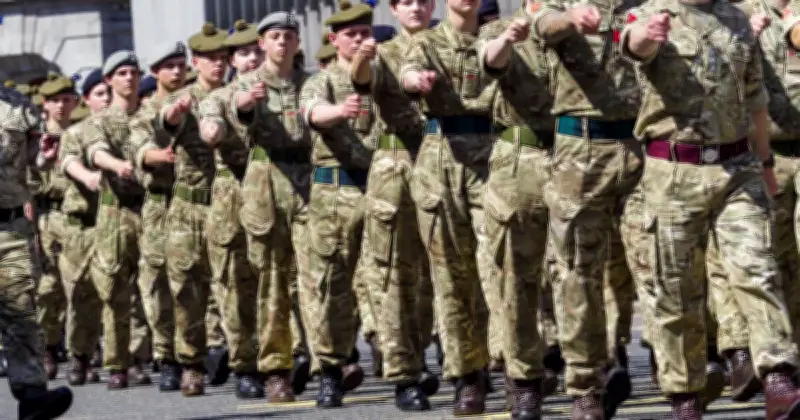
This week, reports suggest that preparation for wartime scenarios could be stepped up after the head of the army called on UK political leaders to start a 'frank conversation' with the public about preparing for war. General Sir Roly Walker told Sky News that 'every' citizen will be 'asked to make sacrifices' and play their part in the defence of the country.
Historic Precedent from World War 2
The exact form of conscription today is unknown, but historic precedent from World War 2 shows how conscientious objectors were handled. They were sent to tribunals to argue their reasons for refusing to join up. If their cases were not dismissed, they were granted a category of exemption and given a non-combat job to help the war effort.
The UK Parliament website explains: "Conscientious objectors had to appear before a tribunal to argue their reasons for refusing to join up. If their cases were not dismissed, they were granted one of several categories of exemption and were given non-combatant jobs."
European Recognition of Conscientious Objectors
Even today, the rights of conscientious objectors have been recognised by European courts. A report on conscription issued in March 2025 by the UK Government explains how national service works in other European countries. It says: "Most countries obligate men to serve, offering opportunities for women to volunteer if they wish. Many also offer an alternative civilian option for conscientious objectors. Some use a lottery model, meaning that only a small proportion of eligible men are required to serve."
The report adds: "The European Parliament’s research service briefing on mandatory military service says all EU Member States with an active conscription system have recognised the rights of conscientious objectors through national law."
The White Feather Campaign Legacy
While non-combat roles may be granted, it won't stop public shaming. As explained by the Peace Museum via the University of St Andrews: "The women of the 'White Feather Campaign' were militant in more ways than one: with passive aggression, they tried to shame men into signing up and fighting in the war, believing that military involvement was necessary and right."
The museum adds: "Their views stood in stark contrast to the moral pacifism of conscientious objectors, who argued against violence as a means of solving conflict."