UK Armed Forces Under Fire for Complacency and Waste
The state of Britain's armed forces has come under severe criticism, with experts pointing to a culture of complacency and mismanagement within the Ministry of Defence. Former Nato secretary general George Robertson recently accused Prime Minister Keir Starmer of a "corrosive complacency towards defence," but many argue the blame lies deeper within the MoD itself.
Failed Procurement and Outdated Systems
The MoD has a long history of costly errors, from profligate contracts to policy decisions that ignore emerging security threats. Senior military figures have been criticised for resisting change, often prioritising outdated weapons systems over modern technologies. This has led to projects like the Ajax armoured vehicle, which is eight years late and has caused health issues for soldiers due to defects, despite over £6bn in taxpayer funds already spent.
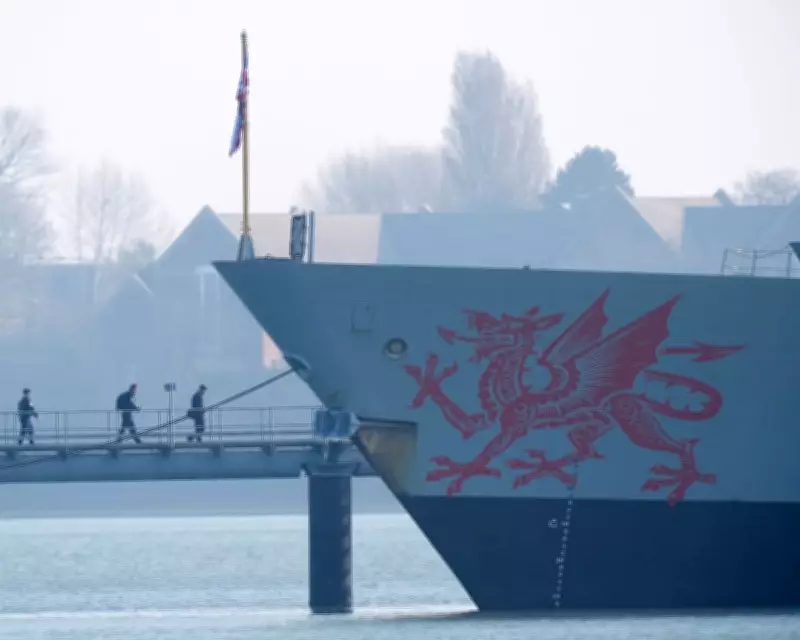
Similarly, the Royal Navy's aircraft carriers, Queen Elizabeth and Prince of Wales, have faced mechanical problems, with maintenance costs exceeding £1bn. These ships, costing over £6bn, are often unavailable for critical missions, as seen with HMS Dragon, which needed repairs shortly after deployment to the Middle East.

Financial Mismanagement and Lack of Scrutiny
The MoD's accounting procedures have been repeatedly criticised by bodies like the National Audit Office. With a defence budget set to rise to £73.5bn by 2028-29, the department claims it needs an extra £28bn over four years for "war-fighting readiness." However, the Treasury remains reluctant to approve further spending, given the MoD's track record of waste and failure to learn from mistakes.
Investments in outdated systems, such as heavy tanks and the F-35 fighter jets, contrast with slow responses to cyberwarfare and drone threats. The MoD has also brushed off delays in nuclear submarine fleets, including the Astute and Dreadnought classes.
Call for Greater Oversight
Evidence suggests that the MoD requires more scrutiny from non-military experts, including those in the Treasury and intelligence agencies, to ensure funds are directed towards adaptable and effective defence strategies. Without this, Britain's ability to address current and future security challenges remains in doubt.