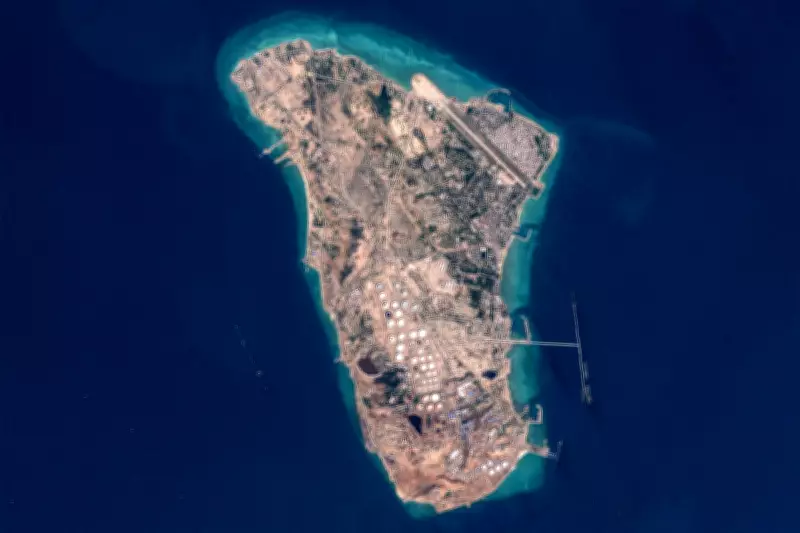
Trump Reportedly Contemplates Ground Invasion of Iranian Island to Reopen Strait of Hormuz
President Donald Trump is reportedly considering plans to occupy or blockade Iran's Kharg Island in a strategic move aimed at pressuring Tehran into reopening the Strait of Hormuz. This critical waterway, a vital global oil transit route, has been a focal point of escalating tensions between the United States and Iran.
Kharg Island: A Crucial Asset for Iran's Oil Exports
Kharg Island processes approximately 90 per cent of Iran's crude oil exports, making it an essential economic and strategic asset for the nation. However, sources caution that a ground operation could pose significant risks to US troops, potentially leading to heightened military conflict in the region.
A senior administration official has indicated Trump's unwavering determination to ensure the Strait of Hormuz remains open, even if it necessitates taking control of Kharg Island. The official stated, "He wants Hormuz open. If he has to take Kharg Island to make it happen, that's going to happen. If he decides to have a coastal invasion, that's going to happen. But that decision hasn't been made." This statement was provided to Axios, highlighting the ongoing deliberations within the administration.

Military Deployments and Escalating Tensions
In response to the situation, Washington has deployed low-flying A-10 Warthog jets and Apache helicopters to target Iranian vessels and drones near the Strait of Hormuz. These actions underscore the increasing military posture as the US seeks to assert control over the strategic waterway.
The potential ground invasion of Kharg Island represents a significant escalation in the ongoing Iran-US conflict, with experts warning of broader regional implications. The move could disrupt global oil markets and lead to further instability in the Middle East, affecting international trade and security.
As discussions continue, the international community watches closely, with many urging diplomatic solutions to avoid a full-scale military confrontation. The situation remains fluid, with Trump's administration weighing the risks and benefits of such a decisive action against Iran.