Trump Administration Declines to Rule Out Military Draft Amid Iran Conflict Speculation
Fears surrounding the potential reinstatement of a military draft have intensified following recent comments from White House press secretary Karoline Leavitt, who refused to dismiss the possibility of conscripting Americans into a conflict with Iran. During an appearance on Fox News' Sunday Morning Futures, Leavitt was pressed by host Maria Bartiromo about whether the administration was considering deploying U.S. ground troops, with the discussion framed around the prospect of a draft.
White House Press Secretary's Ambiguous Remarks
"Mothers are worried that we're going to have a draft, that they're going to see their sons and daughters get involved in this," Bartiromo stated. In response, Leavitt emphasized that President Trump "wisely does not remove options off of the table," adding that while it is not part of the current plan, the president continues to assess the military operation's success. When The Independent sought clarification on whether a draft was under consideration, a White House spokesperson directed inquiries back to Leavitt's original remarks.
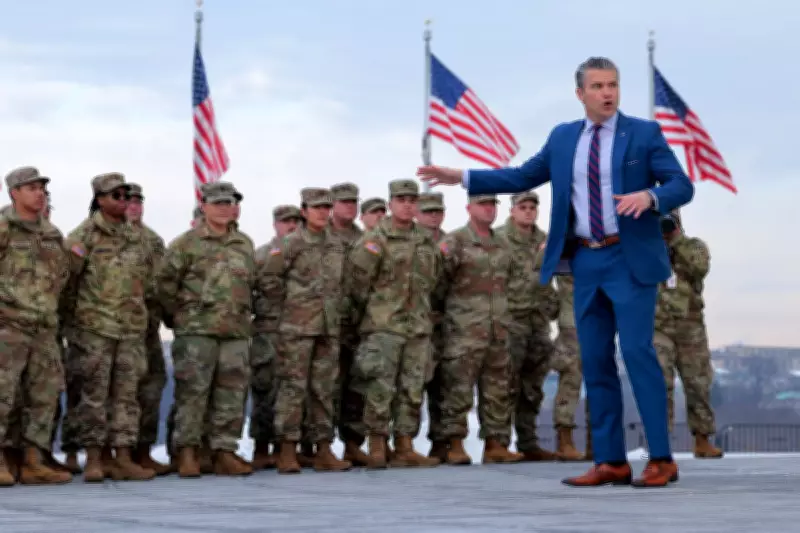
Defense Secretary Pete Hegseth echoed this stance in an interview with CBS 60 Minutes, asserting that operational limits should not be disclosed to the enemy, press, or public. This ambiguity has drawn criticism from advocacy groups, with Naveed Shah, political director for veterans' organization Common Defense, warning that refusing to rule out boots on the ground or a draft sends a chilling message to service members and their families.

Historical Context and Political Backdrop
The United States has not conscripted citizens into war since the early 1970s, when 1.8 million men were drafted during the Vietnam War, a process that grew increasingly unpopular. Shah highlighted the potential catastrophic impact of a draft, noting it would disproportionately affect working-class communities, deepen national divisions, and strain the all-volunteer military established in 1973.
Throughout his 2024 campaign, Trump falsely accused Democratic opponents, including Kamala Harris, of advocating for a draft. In rallies, he baselessly claimed Harris wanted to "bring back the draft" and send Americans to fight in unnecessary wars. Although viral social media claims about Project 2025 recommending a draft for high school seniors are unfounded, some Trump allies have previously pushed for national service mandates to support the military.
How the Draft System Operates
The military draft functions through the Selective Service System, a quasi-independent agency that maintains a database of eligible Americans. It can only be activated with authorization from both the president and Congress, as lawmakers hold the constitutional power to "raise and support Armies." Amending the Military Selective Service Act to authorize conscription would require majority support in Congress, which is unlikely given the unpopularity of such measures.
If a draft were implemented today, the Selective Service would use a lottery system based on birthdates, prioritizing men aged 20 or turning 20 during the selection year. Registration is mandatory for most men aged 18 to 25, with failure to register potentially leading to felony charges and loss of government benefits, though prosecutions are rare.
Exemptions and Opposition
Exemptions from the draft include deferments for married men, students, and relatives of combat casualties, as well as medical deferrals and conscientious objectors. During the Vietnam War, over half of the 27 million eligible men were deferred, exempt, or disqualified, with approximately 570,000 draft dodgers facing penalties. Roughly three-quarters of Americans currently oppose reinstating a draft, according to Pew Research Center data.
Women are not required to register for the Selective Service, despite congressional efforts in 2016 to amend federal law, which ultimately did not pass. Advocacy groups continue to urge Congress to pass a War Powers resolution to curb presidential actions, emphasizing the need for clear authorization and an endgame in conflicts to avoid repeating past mistakes in Iraq and Afghanistan.