
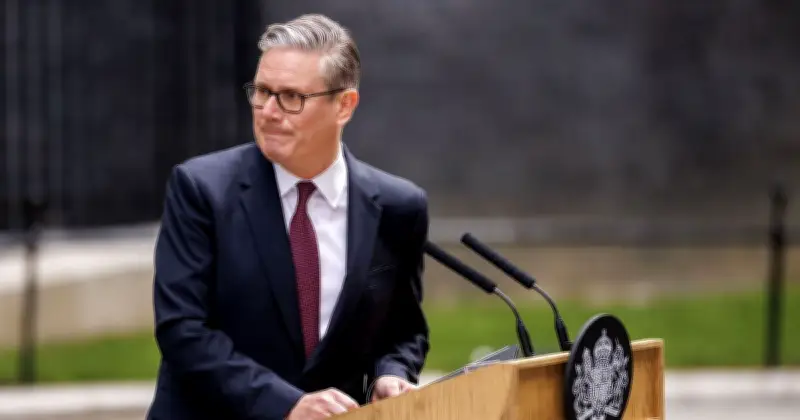
Keir Starmer's Defence Investment Plan (DIP) was released 10 months late, raising questions about its credibility and timing. The plan, intended to solidify Starmer's reputation on defence, offers £15 billion in funding, falling far short of the £28 billion military chiefs say is needed.
Plan's Timing and Motivation Questioned
The DIP was rushed out with much fanfare, but observers note it resembles a last-minute homework assignment. Some speculate Starmer aims to polish his credentials for a high-profile NATO role, possibly replacing Mark Rutte. Others suggest he is leaving a landmine for his successor, likely Andy Burnham, who was given oversight but had no role in drafting the plan.
Funding Shortfall and Future Uncertainty
The plan relies on efficiency savings and procurement streamlines, which critics liken to searching for loose change. The next Prime Minister will need to find an additional £4.7 billion for defence in the next budget. The DIP was supposed to provide a clear roadmap but instead leaves defence chiefs with uncertainty about whether the new PM will adhere to it and whether the pledged money will be available.
While the plan includes funding for drones, AI, and nuclear deterrents, it falls short of addressing broader challenges. Cowardly attempts to postpone defence spending of 3-3.5% of GDP leave the UK in peril, according to critics.




