UK Prepares Second Ship for Middle East Deployment Amid Ongoing Crisis
Second British Ship Readied for Middle East Deployment

Second British Ship Being Prepared for Middle East Deployment

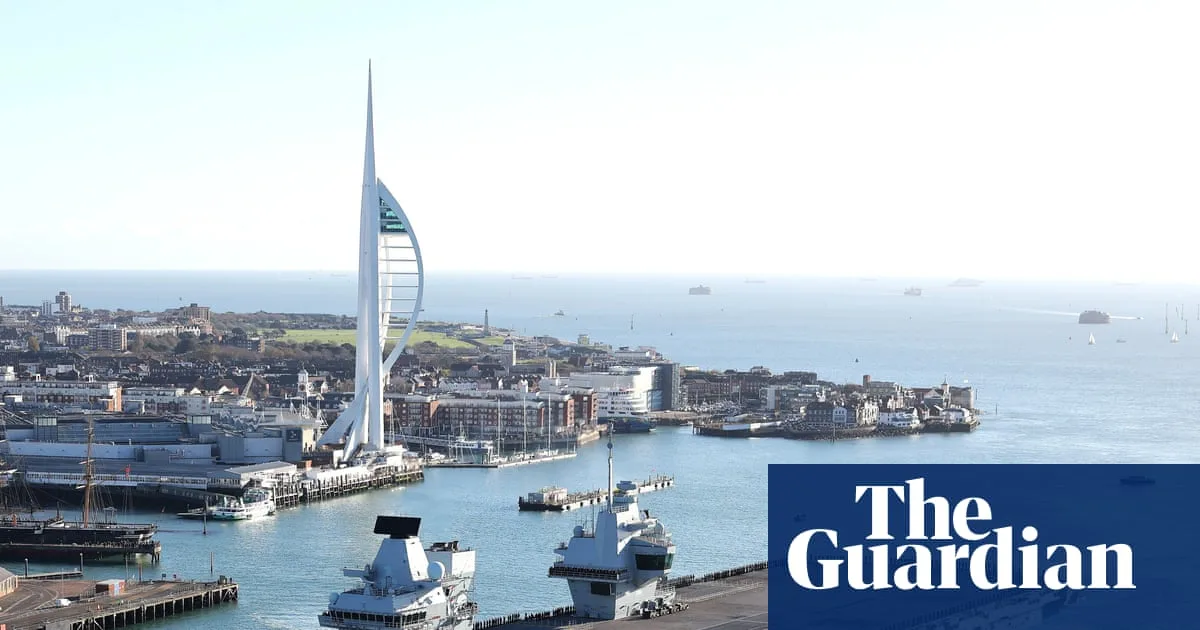
The United Kingdom is preparing a second naval vessel for potential deployment to the Middle East as the regional crisis continues to unfold. Landing ship RFA Lyme Bay is being brought to heightened readiness for possible assignment to the eastern Mediterranean, joining Type 45 destroyer HMS Dragon which is scheduled to depart from Portsmouth imminently.

Military Preparations and Strategic Readiness

A Ministry of Defence spokesman confirmed the preparations, stating: "As part of prudent planning, we have taken the decision to bring RFA Lyme Bay to heightened readiness as a precaution, should she be needed to assist in maritime tasks in the eastern Mediterranean." The vessel possesses significant aviation and medical capabilities that would enable it to support evacuation operations if required.

Defence Secretary John Healey informed Parliament that HMS Dragon would sail "in the next couple of days" to help protect Cyprus and Royal Air Force bases from potential drone or missile attacks by Iran and its proxy forces. The deployment comes amid escalating tensions following US-Israeli strikes on Iran and Tehran's retaliatory actions across the region.

Economic Impact and Market Volatility

Initial fears about the economic consequences of the crisis have moderated somewhat after oil prices retreated from their recent spike. Brent crude fell more than 8% to just under $91 per barrel in Tuesday morning trading, having approached four-year highs above $100 per barrel during volatile Monday sessions.

Markets responded positively to comments from US President Donald Trump suggesting military action would be "a short-term excursion" rather than prolonged conflict. The FTSE 100 Index recovered 1.6% soon after opening, gaining 165.3 points to reach 10,414.8. However, concerns about potential inflationary pressures from higher energy costs persist.

The British Chambers of Commerce warned that inflation would likely remain "firmly above" the Bank of England's 2% target, citing the "highly uncertain" global situation. Both Prime Minister Sir Keir Starmer and Chancellor Rachel Reeves have acknowledged the conflict is likely to cause economic damage in the UK, with Reeves telling MPs it was "likely to put upward pressure on inflation" in coming months.

Fuel Duty Controversy and Political Responses

Following discussions with G7 counterparts, Chancellor Reeves indicated readiness to support "a co-ordinated release" of international oil reserves to mitigate economic shocks. She also called for action to "guarantee the security of vessels passing through the Strait of Hormuz," a vital maritime route for oil and gas transportation.

Despite requesting the competition watchdog to prevent wartime profiteering, the Chancellor resisted calls to cancel a planned increase in fuel duty. Fuel duty has been frozen since 2011 and was temporarily reduced by 5p in 2022 following Russia's invasion of Ukraine. Reeves announced last year that this reduction would be gradually unwound between September 2026 and March 2027.

Opposition parties have urged the government to reconsider this policy. Shadow chancellor Sir Mel Stride argued: "The latest developments in the Middle East make it even more important for Rachel Reeves to reverse course and scrap the rise in fuel duty she announced at the budget." Reform UK's Nigel Farage and Robert Jenrick staged a publicity stunt at a Derbyshire petrol station, symbolically cutting 25p per litre to support their proposal to reinstate the fuel duty reduction.

Diplomatic Developments and Political Criticism

The conflict's duration remains uncertain, with further strikes reported in Tehran as President Trump claimed the US operation was "very complete" while Pentagon officials indicated America had "only just begun to fight." Iran has continued launching strikes against Israel and Gulf states, prompting the US to withdraw non-essential diplomatic staff from Saudi Arabia.

The UK has similarly withdrawn dependants of embassy staff from the United Arab Emirates "as a precautionary measure," with a government-chartered flight returning British citizens from Dubai in the early hours of Tuesday.

Conservative leader Kemi Badenoch faced criticism for claiming British forces were "just hanging around" in the Middle East. When asked if she should apologize for these remarks, Badenoch responded: "I was criticising the Government, that they're not doing enough, and they are the ones hanging around. HMS Dragon is still in Portsmouth well over a week after it should have left." She contrasted the UK's response with France's deployment of approximately ten ships to the Mediterranean and the French president's visit to Cyprus.

Badenoch added pointedly: "We are the ones who have a base in Cyprus. What is our Prime Minister doing?" This political criticism highlights the domestic pressure on the government to demonstrate decisive action in response to the ongoing Middle East crisis.




