
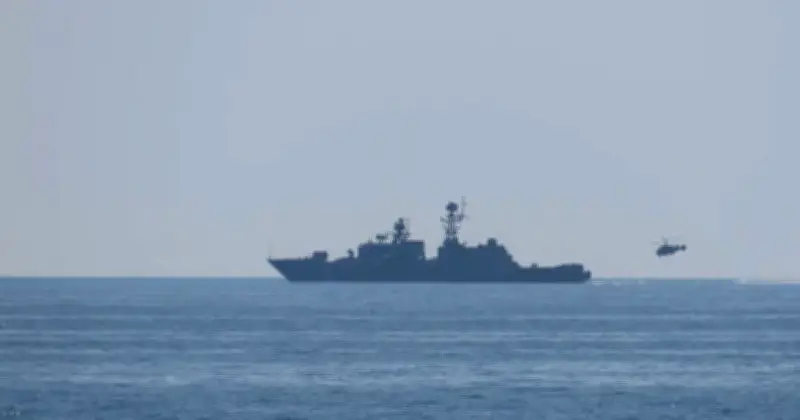
Royal Navy warships and helicopters spent 21 days in July tracking Russian vessels and submarines in British waters and the North Atlantic, officials confirmed. Activations tracking Russian units across the first seven months of 2026 rose 25% compared with the same period in 2025.
Vessels and operations
HMS Somerset, HMS Tyne, HMS Mersey and HMS Severn were all activated, supported by Wildcat helicopters from 815 Naval Air Squadron and Merlin submarine-hunting aircraft. Much of the effort centred on the Russian frigate RFN Neustrashimy.
The warship has repeatedly entered the UK's area of responsibility to guard shadow fleet tankers sailing within recognised traffic lanes, forcing British ships to divert operational capacity simply to keep watch on commercial cargo.
Close encounters
On July 20, Portsmouth-based HMS Tyne closed to five nautical miles as Neustrashimy conducted gunnery firings outside UK and French territorial waters. The British ship remained on station, recording the fall of shot from the Russian vessel's main 100mm gun and 30mm battery – about 20 rounds in total – while gathering intelligence.
Lieutenant Commander Sam Fields, commanding officer of HMS Tyne, said: “Through sustained presence and close cooperation with allies, HMS Tyne was ideally suited to this task, providing reassurance and monitoring while enabling other Fleet units to continue their operational commitments.”
Deployments and deterrence
Plymouth-based Type 23 frigate HMS Somerset returned to port on August 7 after a four-month deployment covering more than 24,000 nautical miles across the North Atlantic. Equipped with advanced underwater sensors and an embarked Merlin from 814 Naval Air Squadron, the ship formed part of the standing operation to protect Britain's nuclear deterrent and detect potential submarine activity.
Commander Matt Millyard, her commanding officer, said: “The deployment demonstrates what the Royal Navy exists to do: protect the UK and our allies from wherever our interests are threatened.” He praised the ship's company for maintaining high readiness while tracking submarines and working with NATO partners and the Carrier Strike Group.
Shadow fleet monitoring
HMS Severn was activated twice in July. First it shadowed the Russian frigate RFN Admiral Grigorovich as the warship sailed eastwards from Ushant off the French coast towards Dover. Later, between July 23 and 26, Severn took over from HMS Mersey in the North Sea to monitor Neustrashimy as the Russian ship escorted the shadow fleet tanker MV Vulkan from the Baltic, through the Dover Strait and towards Ushant. The British vessels handed over again when Neustrashimy turned eastwards.
Lieutenant Commander Dom Jacobs, executive officer in temporary command of Severn, said: “My crew adapted rapidly between Fleet Ready Escort duties and the ship's role as Fleet Navigation Training Ship, demonstrating the versatility of offshore patrol vessels.”
Impact and sanctions
The increased activity follows the UK's interdiction of the sanctioned shadow fleet tanker Smyrtos in the English Channel in June. Britain has already sanctioned more than 500 vessels in the fleet. Russian oil and gas revenues fell 24% year-on-year in 2025. By disrupting these tankers, the UK and its partners aim to reduce the resources sustaining Russia's war in Ukraine and its capacity to threaten European security.
The figures released on August 8 underline the persistent demand on Royal Navy assets to keep Russian warships and submarines under close observation in waters close to home.




