
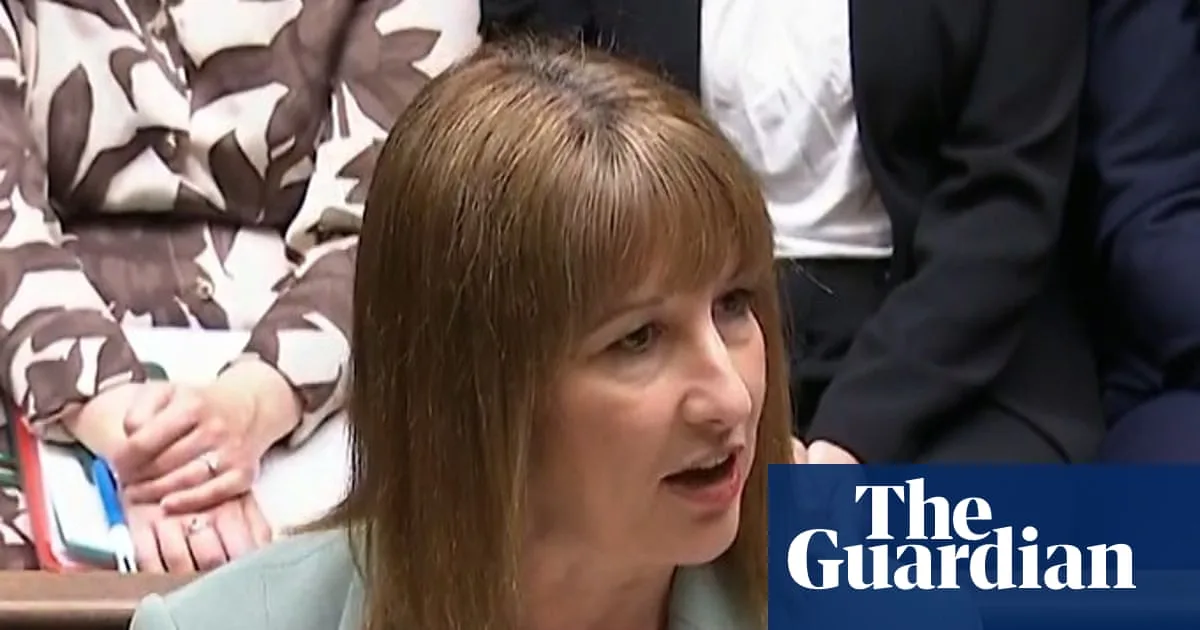
Chancellor Rachel Reeves has pledged to “renew Britain” with a spending review that prioritises health, defence, and over £100bn for long-term capital projects. In a speech to the Commons, she contrasted Labour’s investment with what she called the “destructive choice” of austerity under the previous Conservative-Liberal Democrat coalition.
Reeves said total departmental budgets would grow by 2.3% a year in real terms, compared with a 2.9% cut under the coalition. She promised to end spending on asylum hotels by the end of the parliament, saving £1bn, but the Home Office will face budget cuts beyond that, causing alarm from police and London mayor Sadiq Khan. Other departments facing cuts include Defra, local government, and the Foreign Office, which will see an almost 7% reduction due to the loss of much of the foreign aid budget.
The health service is the biggest winner in day-to-day spending, with a 3% real-terms annual increase, equating to an extra £29bn per year. Defence spending will rise to 2.6% of GDP by April 2027, including intelligence agencies, providing £11bn for defence and £600m extra for security services. Reeves framed defence investment as central to making the UK a top European hub for defence investment.
However, experts warned that the chancellor could face a summer of speculation over possible further tax increases in the autumn budget, after she reiterated her commitment to “ironclad” fiscal rules despite rising borrowing costs and sluggish growth. Andrew Goodwin, chief UK economist at Oxford Economics, said substantial tax increases may be needed and that the spending review appeared a “stopgap”.
Shadow chancellor criticised the plans as “spend now, tax later”, predicting months of uncertainty over how they would be funded. Reeves attacked the Tories and Reform for opposing her fiscal rule changes and tax rises, saying the investment would not have been possible under them.




