
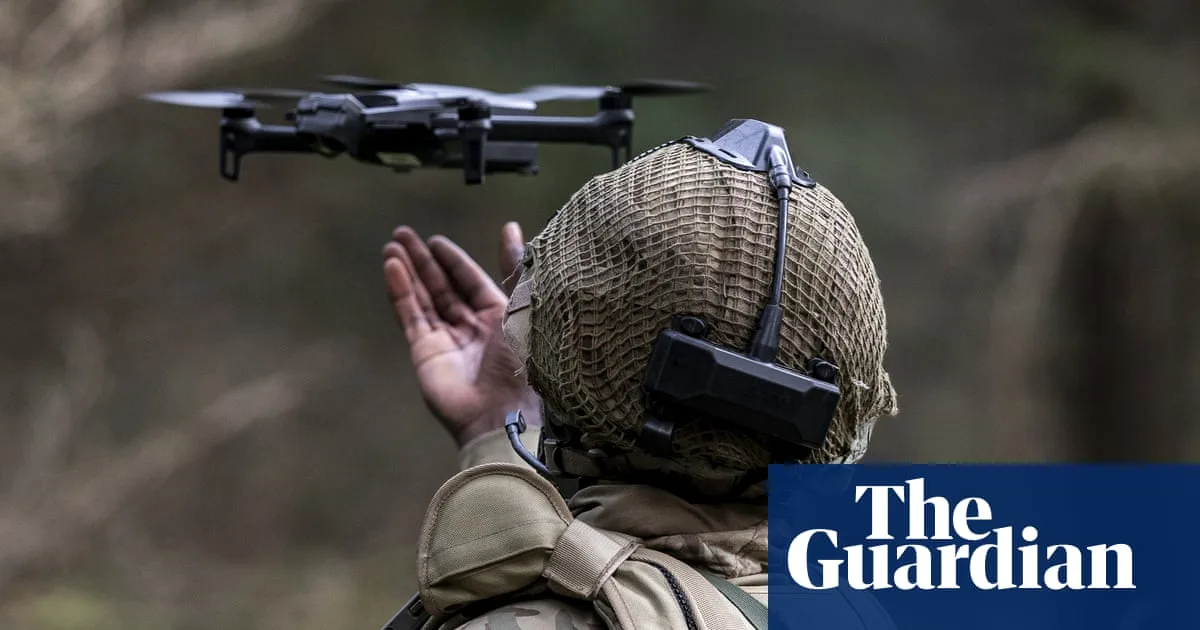
Defence Secretary Dan Jarvis has secured an additional £1.5 billion for the UK's long-delayed defence investment plan, with the majority allocated to drones aimed at deterring Russia and Iran. The move follows the resignation of John Healey over an £18 billion funding gap, which raised questions about Britain's NATO commitments.
Two sources confirmed that the deficit has been reduced by £15 billion after Jarvis persuaded Chancellor Rachel Reeves to provide slightly more than the £13.5 billion offered to Healey. The extra funding has allowed Jarvis to increase planned drone spending from £4 billion to £5 billion over four years, part of a deal Prime Minister Keir Starmer was keen to finalise before leaving office.
Some of the additional defence funding was sourced by requiring other government departments to cut their capital budgets by at least 1%, sparking one of the most acrimonious Whitehall disputes in recent memory. Allies of Jarvis said he wanted to 'look people in the eye' when the plan is published, while those close to Reeves noted she found him easier to negotiate with than Healey.
The 80-page plan, covering projects from frigates to nuclear submarines, will be presented to MPs on Tuesday. Royal Marine commandos are set to receive additional uncrewed speedboats from Kraken Technology, based in Fareham, Hampshire, for deployment in the Strait of Hormuz as part of a peacekeeping mission, should a US-Iran peace agreement be reached.
Prime Minister Starmer will unveil the plan at a defence firm on Tuesday, framing it as a job creation and national security measure. Meanwhile, Andy Burnham, the likely next prime minister, endorsed the plan, stating future UK procurement would prioritise British-based suppliers. Former armed forces head Tony Radakin warned of the risk of falling short on defence spending and called for a 'Moscow test' to assess UK decisions.




