
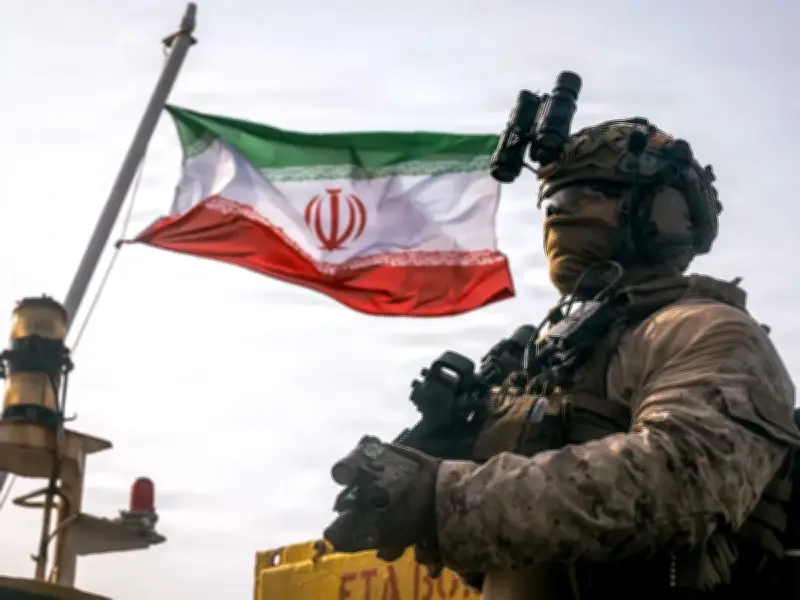
The US Department of Defence is reportedly preparing a "doomsday plan" aimed at keeping military bases operational without external support. The plan, reported by Fox News, would see US military bases remain operational for at least 90 days without outside help should a major war break out that could cripple power grids, disrupt supply chains and threaten critical infrastructure on US soil. This comes as the US already navigates two major conflicts – the wars in Ukraine and Iran.
FORTRESS initiative
The Pentagon's plan forms part of FORTRESS, a military initiative aimed at ensuring US forces can fight if civilian systems they rely on are disrupted. "We don't want to rely on standard civilian municipal infrastructure to run our national defence. We just simply can't. It's an intolerable risk," Pentagon chief spokesperson Sean Parnell told Fox News Digital.
Civilian factories would also move to defence production during a crisis as part of the plan. "Power is combat now. Without electricity, you lose communications, water, logistics, assembly lines and just basic military command structures," Mr Parnell said.
90-day independence goal
Every major military installation in the continental US would be expected to sustain essential operations independently for at least 90 days. Essential operations include electricity, water, fuel and communications.
"I realized that a lot of the way we think about homeland defence was built around the antiquated assumption that two oceans would protect us," Mr Parnell said. "President Trump understands that world is gone, and he's already paved the way for new thinking: Golden Dome, a renewed focus on the Western Hemisphere, Greenland, Panama."
Reducing reliance on civilian power grids
One of the main focus points is the military's reliance on civilian power grids, which support communications, logistics and weapons manufacturing, among other things. The FORTRESS initiative envisions portable nuclear reactors, large-scale battery storage and microgrids capable of disconnecting military installations from the civilian electrical grid, allowing them to continue operating during prolonged power disruptions.
Mr Parnell compared the initiative to an insurance policy for the homeland. "You don't want to be making these decisions in the middle of a global multi-front conflict. We have to have a plan," he said.




