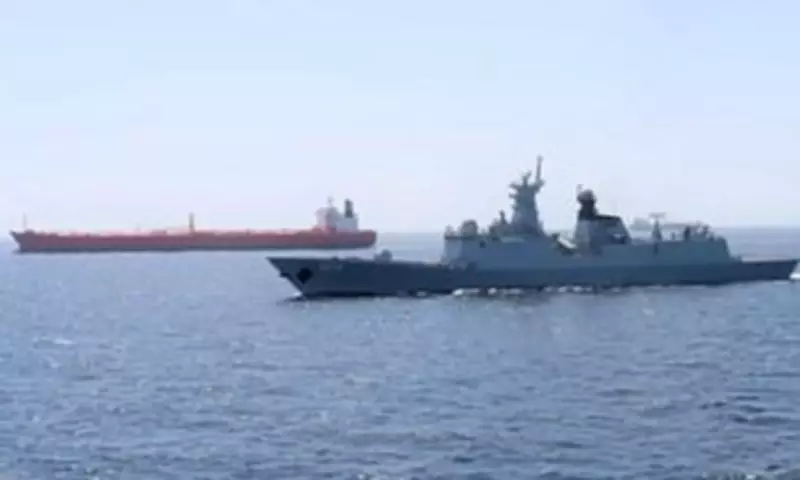
Pakistan Deploys Navy to Secure Gulf Tankers as US-Iran Tensions Escalate
Pakistan has initiated a naval operation to escort merchant vessels through the Gulf, responding to heightened threats between the United States and Iran over the strategic Strait of Hormuz. The military announced late on Monday that warships are being deployed to ensure the uninterrupted flow of national energy supplies and safeguard maritime trade routes.
Critical Dependence on Gulf Energy Supplies
Pakistan, which shares a southwestern border with Iran, relies heavily on oil and gas imports from the Gulf region. This move comes just days after the government increased fuel prices by approximately 20 percent, sparking long queues at petrol stations nationwide. Prime Minister Shehbaz Sharif has implemented austerity measures, including closing government offices one day weekly and mandating 50 percent remote work for staff, while schools have been ordered to shut for two weeks to conserve fuel.
Trump's Threats and Iranian Retaliation
The deployment occurs amid escalating rhetoric between former US President Donald Trump and Iranian authorities. Trump warned that Tehran would face consequences "TWENTY TIMES HARDER" if it obstructed oil exports through the Strait of Hormuz. Iran's Revolutionary Guards countered, asserting that "not a single litre of oil" would leave the Gulf under attack from the US and Israel.

Regional Military Developments
Turkey has announced the deployment of a US-made Patriot missile defence system in Malatya following NATO's interception of a second ballistic missile fired from Iran. Simultaneously, the Royal Air Force intercepted drones heading toward Bahrain, highlighting the broadening scope of regional security operations.
Economic and Market Impacts
European stock markets rebounded as Trump suggested the conflict might conclude sooner than anticipated, with oil prices dropping around eight percent. However, Saudi Arabia's Aramco cautioned about "catastrophic consequences" for global oil markets if disruptions in the Strait of Hormuz persist, noting that inventories are at a five-year low.
Ongoing Hostilities and Humanitarian Concerns
Iran continues missile attacks on Gulf nations, with sirens heard in Dubai and Bahrain, while Saudi Arabia reported destroying two drones over its eastern region. Israel's Prime Minister Benjamin Netanyahu stated that military operations against Iran are "not done yet," aiming to weaken Tehran's leadership. Meanwhile, Australia granted asylum to members of Iran's women's football team over persecution fears, and protesters attempted to block their departure bus.
The situation remains fluid, with diplomatic and military actions unfolding across the Middle East, directly impacting global energy security and regional stability.