
When North Korea fired ballistic missiles in May, Seoul swiftly joined Washington and Tokyo in condemning the launch. But weeks earlier, when a North Korean KN-23 missile struck a residential building in Kyiv, killing 12 civilians, South Korea made no public statement. That silence extended to reports of Russian air-defence systems being deployed for Pyongyang and Russian instructors training North Korean drone pilots.
Analysts say the muted response raises questions about whether Seoul fully understands the scale of North Korea's military transformation, shaped on the battlefields of Ukraine. Chun In-bum, a former South Korean special forces commander, said: “We definitely should be alarmed. But it's just the nature of people to avoid catastrophe or be indifferent to the terrors of reality.”
Ukraine's military intelligence reports that North Korea now supplies 40% of all munitions Russia uses in the war. Pyongyang has also sent thousands of troops to Russia's Kursk region, with the deployment expanding to include engineers, logistics personnel and interpreters. Major General Vadym Skibitskyi, deputy head of Ukraine's HUR intelligence agency, said North Korean forces had received new ammunition from Russia and gained experience of modern conflict, something no other regional army has.
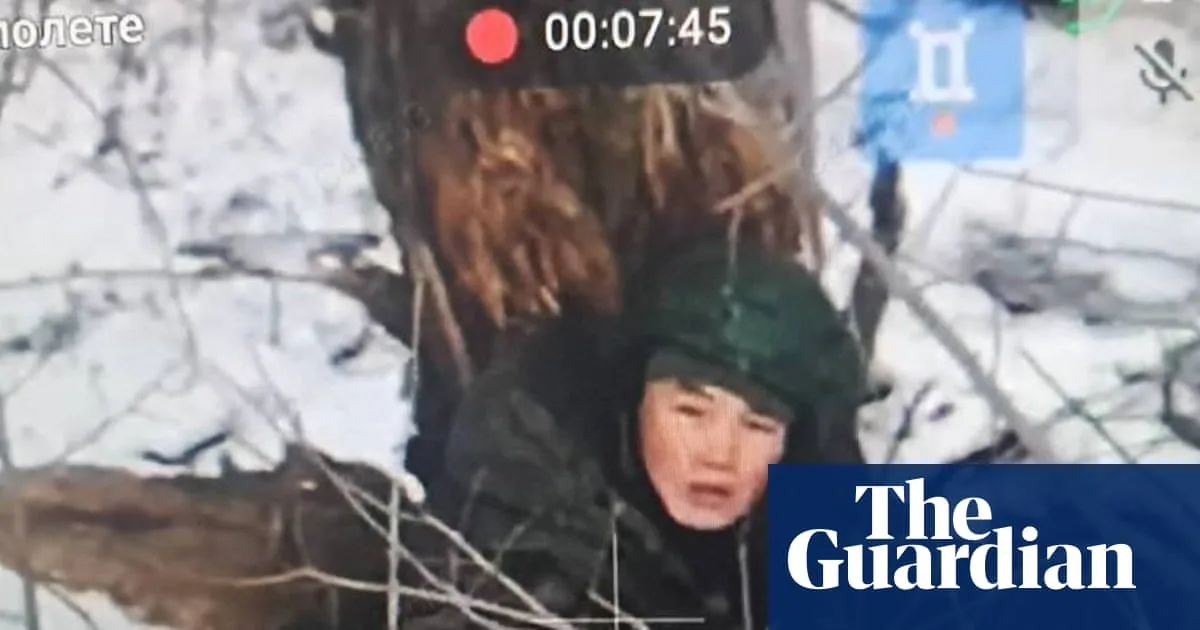
The fighting has also exposed the ruthlessness of Kim Jong-un's soldiers. Ukraine captured two wounded North Korean prisoners in January, who Skibitskyi described as “bio-robots” that tried to kill themselves by biting their veins. One prisoner said he wanted to return home because he would be treated as a hero. North Korean troops are learning combined-arms warfare, drone operations and electronic warfare, while Moscow has helped upgrade the accuracy of the KN-23 missile, which has since targeted Ukrainian cities.
Ukrainian President Volodymyr Zelenskyy warned in June that the threat must be addressed “not when thousands of upgraded Shahed drones and ballistic missiles begin to threaten Seoul and Tokyo.” Yet Dr Yang Uk of the Asan Institute for Policy Studies in Seoul says a mix of strategic, economic and political factors are deterring action. Defence officials are wary after December's martial law crisis, and acknowledging the threat could push Seoul into unpopular weapons transfers to Ukraine. Yang warns that Russia is working to integrate North Korea into its long-term defence supply chain, a partnership that could reshape Asia's military balance long after the war ends.




