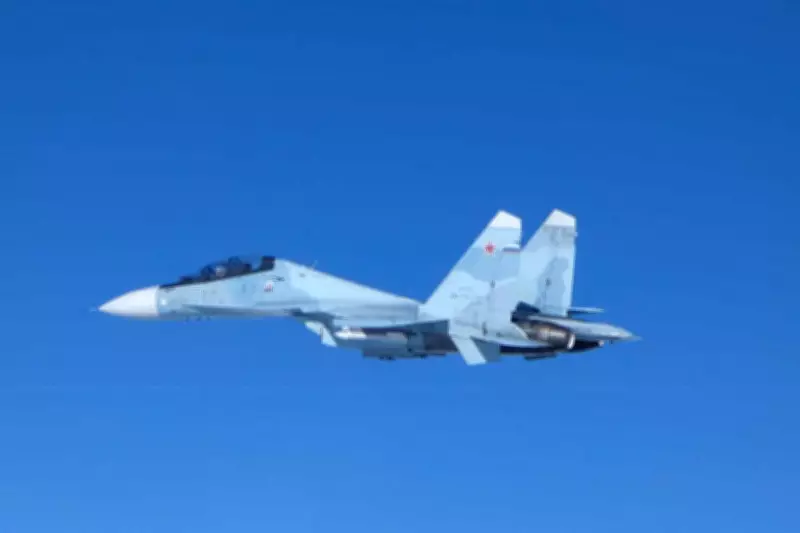
Nato Forces Intercept Russian Strategic Bombers and Fighter Jets Over Baltic Sea
In a significant military encounter, Nato forces intercepted a formation of Russian strategic bombers and fighter jets over the Baltic Sea on Monday. The incident underscores ongoing tensions in the region, as Russian aircraft continue to operate in ways that challenge international aviation norms.
Details of the Interception
The Russian formation comprised two supersonic Tu-22M3 long-range bombers, accompanied by approximately 10 escorting fighters, including SU-30 and SU-35 models. According to Russia's Defence Ministry, the flight was scheduled, took place in neutral airspace over the Baltic Sea, and lasted for more than four hours. However, such flights often lack proper communication protocols, raising concerns among Nato allies.
Nato's Response and Allied Involvement
Nato scrambled fighter jets to monitor and intercept the Russian aircraft. French Rafale fighters, stationed in Lithuania as part of Nato's enhanced air policing mission, led the response. They were supported by aircraft from Sweden, Finland, Poland, Denmark, and Romania, showcasing a coordinated effort among alliance members. This interception is part of routine Nato operations, as Russian warplanes frequently fail to use transponders, communicate with air traffic controllers, or file flight plans, posing risks to civilian and military aviation.

Broader Context and Regional Implications
The interception occurs against a backdrop of heightened military activity in Eastern Europe. In a related development, a Russian night strike injured three people in Ukraine's Velykyi Burluk, with rescuers battling a blaze in the aftermath. Such incidents highlight the volatile security environment and the importance of Nato's vigilance. The Baltic Sea region has become a focal point for aerial confrontations, with Nato forces regularly tasked with ensuring airspace security and deterring potential threats.
This event reinforces the need for continued diplomatic and military coordination among Nato members to address Russian provocations and maintain stability in Europe.