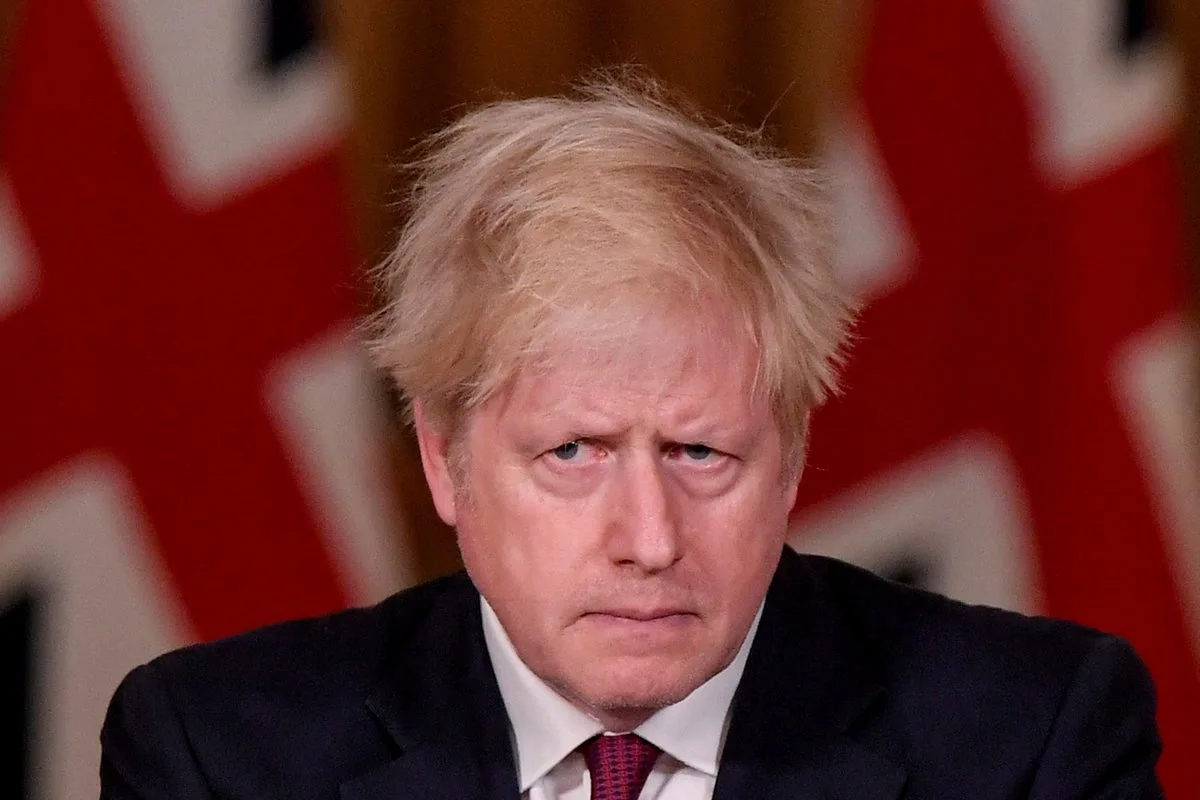
Boris Johnson Urges Immediate Western Troop Deployment in Ukraine
Johnson Calls for 'Boots on Ground' in Ukraine Now

Former Prime Minister Boris Johnson has issued a stark call for the United Kingdom and its allies to deploy military forces to Ukraine immediately, arguing that such a move would dramatically alter Russian President Vladimir Putin's strategic calculations. Johnson contends that if Western nations plan to send peacekeeping troops after a potential ceasefire, there is no logical reason not to dispatch non-combat personnel now to demonstrate unwavering support for Ukrainian sovereignty.

Immediate Deployment to Counter Russian Aggression

In a detailed interview set for broadcast, Johnson emphasised that waiting for a peace deal only empowers Putin by placing all initiative in his hands. He stated that deploying troops to secure areas of Ukraine would serve as a powerful signal of the West's commitment to a free and independent Ukraine, potentially shifting the psychological dynamics of the conflict. "There is no logical reason that I can see why we shouldn't send peaceful ground forces there to show our support, our constitutional support for a free, independent Ukraine," Johnson asserted.

Regrets Over Western Inaction and Delays

Reflecting on his tenure during the initial invasion nearly four years ago, Johnson admitted to personal regrets about not doing more to assist Ukraine earlier. He criticised the Western response as characterised by excessive caution and needless delays, which he believes have cost Ukrainian lives and played directly into Putin's strategic hands. Johnson argued that the general ambiguity and fudge in Western policy towards Ukraine prior to the full-scale invasion effectively enabled Russian aggression.

Wide Pickt banner — collaborative shopping lists app for Telegram, phone mockup with grocery list

He pointed specifically to the failure to respond decisively when Russia annexed Crimea in 2014 as a pivotal moment that emboldened Putin. "The failure to do anything in Crimea was tragic," Johnson stated, suggesting that subsequent Western weaknesses in Syria and the chaotic withdrawal from Afghanistan further convinced Putin of Western reluctance to confront Russian expansionism directly.

Military Leadership Echoes Concerns

Admiral Sir Tony Radakin, the former head of the UK military who appeared alongside Johnson, echoed these criticisms of Western incrementalism. He described the allies' approach as frustratingly slow, creating tensions throughout the conflict as Ukraine pleaded for faster weapons deliveries and more decisive support. Radakin also called on the current government to clarify and fulfil its commitment to increase defence spending to 3.5% of national income by 2035, a pledge made at last year's NATO summit.

"The reason for that commitment was because there is a war in Europe. Russia is weak, but dangerous. We have made that commitment. NATO is challenging us. Where is our plan?" Radakin questioned, emphasising the need for sustained investment to ensure national security through the 2030s.

Sovereignty and Strategic Resolve

Addressing Putin's previous warnings that any allied troops would become legitimate targets, Johnson dismissed this as irrelevant, arguing that the decision ultimately rests with Ukraine as a sovereign nation, not with Russia. "That is a political thing. It's about whether Ukraine is a free country or not. If it's a vassal state of Russia, which is what Putin wants, then obviously it's up to Putin to decide who comes to his country. If it's not, then it's up to the Ukrainians," he explained.

Both Johnson and Radakin agreed that the fundamental problem remains Putin's perception that the West lacks overwhelming strategic resolve to ensure Ukrainian independence. Johnson warned that without clear evidence of Western determination, Putin will continue his campaign indefinitely. "The real problem is, with Ukraine, that Putin does not yet believe, or he has not yet been convinced, that the West regards it as an overwhelming strategic objective for Ukraine to be a free and independent European country. That's the problem we're in. It's that fundamental lack of resolve," he concluded.

Pickt after-article banner — collaborative shopping lists app with family illustration




