Japan Sets 2031 Deadline for Missile Deployment on Taiwan-Neighbouring Island
Japan Sets 2031 Missile Deadline for Island Near Taiwan

Japan has officially disclosed a concrete schedule for the installation of advanced missile defence systems on a strategically vital island situated in close proximity to Taiwan, a move that is anticipated to significantly heighten diplomatic friction with China.

Definitive Timeline for Missile Installation

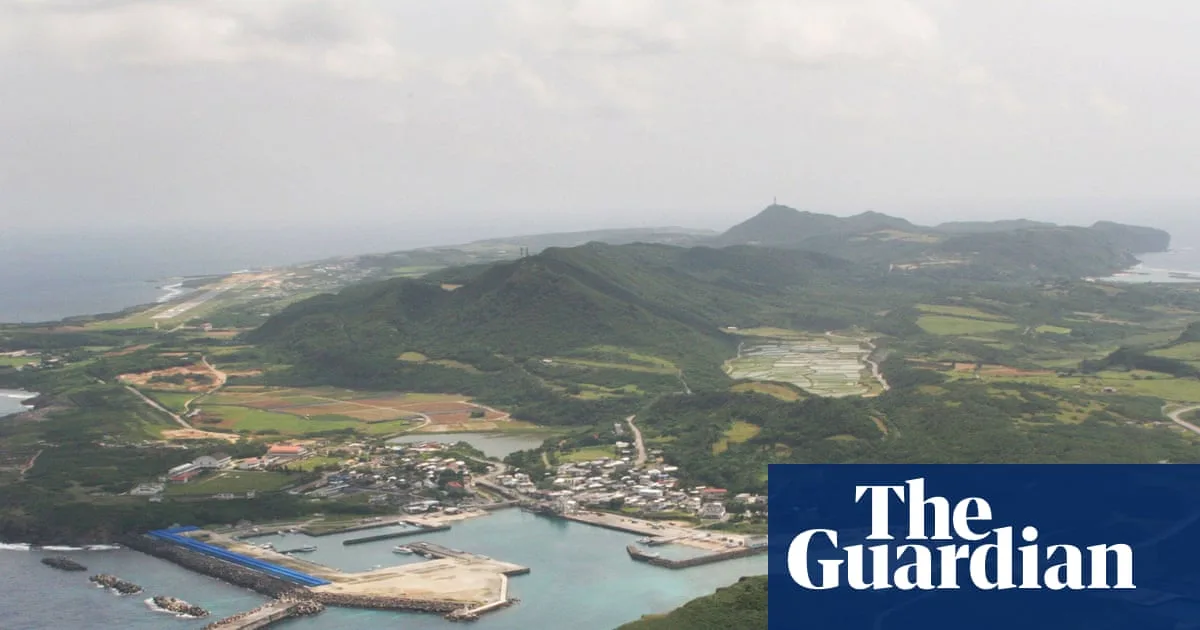
The Japanese defence ministry confirmed on Tuesday that it plans to deploy sophisticated surface-to-air missiles, engineered to intercept both aircraft and ballistic missiles, on the remote Yonaguni island by the conclusion of March 2031. This announcement marks the first instance where Japan has provided a specific timeframe for this deployment, which was initially proposed back in 2022.

Defence Minister Shinjiro Koizumi elaborated that the implementation on Yonaguni, an existing Japanese military outpost, is contingent upon "the progress of preparing facilities, but we are planning for fiscal 2030." The ministry is scheduled to conduct an informational briefing for approximately 1,500 island residents next week.

Wide Pickt banner — collaborative shopping lists app for Telegram, phone mockup with grocery list

Strategic Significance and Local Support

Yonaguni island, positioned a mere 110 kilometres east of Taiwan, already functions as a critical surveillance hub. Since 2015, when residents voted 632 to 445 in favour of hosting a military base, nearly 160 personnel have been stationed there, conducting continuous monitoring of Chinese naval activities from elevated radar installations.

The island frequently serves as a venue for joint military exercises involving Japan and the United States. Current strategic plans include the establishment of a new missile unit and the expansion of existing airport and port infrastructure to bolster defence capabilities.

Escalating Diplomatic Tensions with China

This deployment announcement occurs amidst a protracted diplomatic standoff between Japan and China, primarily fuelled by recent comments from Japanese Prime Minister Sanae Takaichi concerning Taiwan's security. Relations deteriorated sharply last year when Ms Takaichi, shortly after assuming office, suggested that a hypothetical Chinese assault on Taiwan could provoke a Japanese military response.

Beijing reacted with a series of punitive measures, including export restrictions, flight cancellations, and strongly worded diplomatic protests, consistently demanding a retraction of the statements. China maintains its position that Taiwan is an inalienable part of its territory and reserves the right to employ force for reunification, while vehemently opposing any third-party involvement, particularly from the United States, Taiwan's primary arms supplier.

Accusations and Counterclaims

At the Munich Security Conference earlier this month, China's top diplomat, Wang Yi, accused certain factions within Japan of attempting to "revive militarism." In a parliamentary address last Friday, Prime Minister Takaichi countered by asserting that China is intensifying efforts to alter the status quo "by force or coercion" in both the East China Sea and the South China Sea, emphasising the necessity for Tokyo to enhance its defensive posture.

The planned missile deployment on Yonaguni island represents a tangible step in Japan's strategy to fortify its military readiness in a region witnessing escalating geopolitical volatility and strategic competition.

Pickt after-article banner — collaborative shopping lists app with family illustration




