Israeli Fighter Jets Bomb Khamenei's Underground Bunker in Tehran
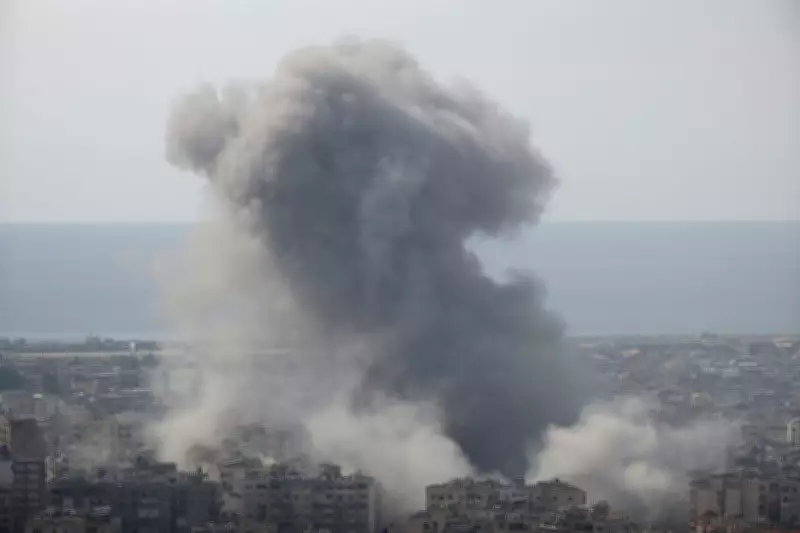
In a significant military operation, Israeli fighter jets have bombed an underground bunker in Tehran, reportedly belonging to the slain Supreme Leader Ayatollah Ali Khamenei. The Israeli Defense Forces (IDF) claim to have destroyed this secure emergency asset, which was intended for war management by Khamenei before his elimination.
Details of the Operation
The operation involved a substantial deployment of military resources, with 50 jets and 100 bombs targeting the bunker. According to Israeli military statements, the bunker was constructed beneath a compound and served as a critical asset for Khamenei, though he was 'eliminated' before he could utilize it. Following his death, senior Iranian officials reportedly repurposed the facility for their own use, making it a high-value target in the ongoing conflict.
US Promises Escalation in Attacks
This development coincides with a statement from US Defense Secretary Pete Hegseth, who has pledged a 'dramatic surge' in attacks on Iran. Hegseth indicated that the United States plans to deploy additional fighter squadrons, enhance defensive measures, and conduct frequent bomber pulses over Iranian territory. This announcement underscores the escalating tensions between Iran and Western allies, with Israel's recent strike aligning with broader military strategies in the region.

Context and Implications
The bombing of Khamenei's bunker marks a pivotal moment in the ongoing Iran-US war, highlighting Israel's proactive role in targeting Iranian military infrastructure. As bombardment continues, this operation reflects the intensifying efforts to undermine Iran's leadership and strategic capabilities. The destruction of such a secure asset could have far-reaching consequences for Iran's military operations and internal security, potentially destabilizing the regime further.
With both Israel and the US ramping up their military activities, the situation in the Middle East remains volatile, with experts warning of potential retaliatory measures from Iran. The international community is closely monitoring these developments, as they could influence global security dynamics and diplomatic relations in the coming months.