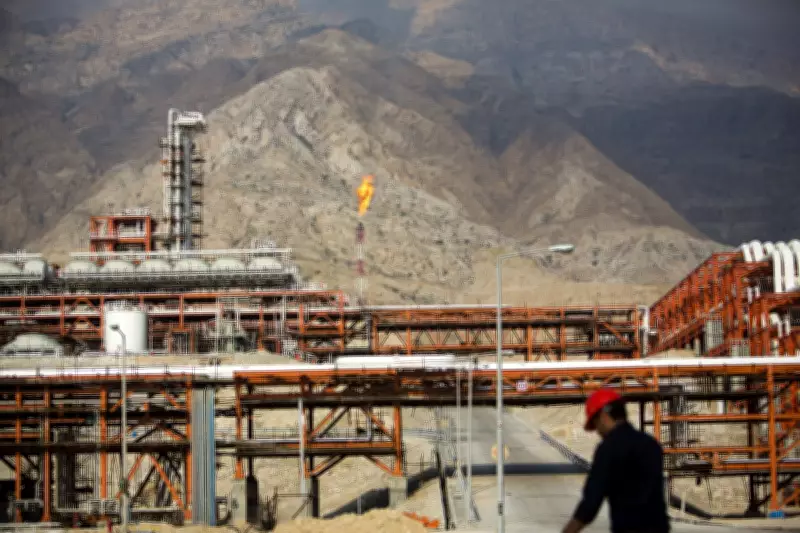
Israel Conducts Major Military Strike on Iran's South Pars Petrochemical Facility
In a significant escalation of regional tensions, Israel launched a powerful military strike on Iran's largest petrochemical plant, the South Pars facility located in Asaluyeh, on Monday. The attack targeted a critical industrial complex that is responsible for approximately half of Iran's total petrochemical output, according to official statements.
Timing and Context of the Attack
The strike occurred just one day before a deadline set by former US President Donald Trump for potential military action against Iran's energy infrastructure, should no peace deal be reached. This timing has raised concerns about the broader geopolitical implications and the potential for further conflict in the region.
Israeli Defence Minister Israel Katz publicly confirmed the operation, describing it as a "powerful strike" on the South Pars plant. His announcement underscored the strategic importance of the target, which plays a pivotal role in Iran's economy and energy sector.

Immediate Aftermath and Reports from the Ground
Following the attack, Iranian media outlets reported multiple explosions around the Asaluyeh complex, indicating significant damage to the facility. Local sources described scenes of chaos and emergency responses as authorities assessed the impact on the petrochemical operations.
This incident is not an isolated event but follows previous strikes on the South Pars gas field in March, which were widely viewed as a major escalation in the ongoing conflict between Israel and Iran. The repeated targeting of this key infrastructure highlights its strategic value and the intensifying nature of hostilities.
Strategic and Economic Implications
The South Pars petrochemical plant is a cornerstone of Iran's industrial capacity, and any disruption to its operations could have far-reaching consequences for the country's economy and global energy markets. Experts warn that such attacks could lead to increased volatility in oil and gas prices, affecting international trade and diplomatic relations.
As tensions continue to mount, the international community is closely monitoring the situation, with calls for de-escalation and diplomatic solutions to prevent further violence. The strike underscores the fragile state of regional security and the complex interplay of military and political factors at stake.