
Fears of a return to full-scale regional war in the Middle East eased on Monday as Israel and Iran indicated they had paused attacks on each other following an appeal from Donald Trump to “immediately stop shooting”. The recent exchange of Iranian ballistic missile barrages and Israeli air strikes marked the most direct confrontation between the two countries since an April ceasefire.
Benjamin Netanyahu, Israel’s prime minister, acknowledged the halt in fighting in a televised speech, but vowed to respond with force to any future aggression. “At present, the fire on this front has been halted, because after the terrorist regime in Tehran was struck, it stopped attacking us,” he said. “If that terrorist regime makes the mistake of attacking us again, we will respond with force.”
Analysts have warned that any new “ceasefire within the ceasefire” is fragile, with multiple flashpoints that could reignite exchanges at any moment. Yemen’s Iran-aligned Houthi rebels have also fired at Israel and threatened to target Israeli-affiliated ships in the Red Sea. Meanwhile, Israeli officials have rejected Iranian efforts to link a broader ceasefire to Israel’s offensive against Hezbollah in Lebanon, with Defence Minister Israel Katz saying Israel would strike Beirut if the militant group attacked.
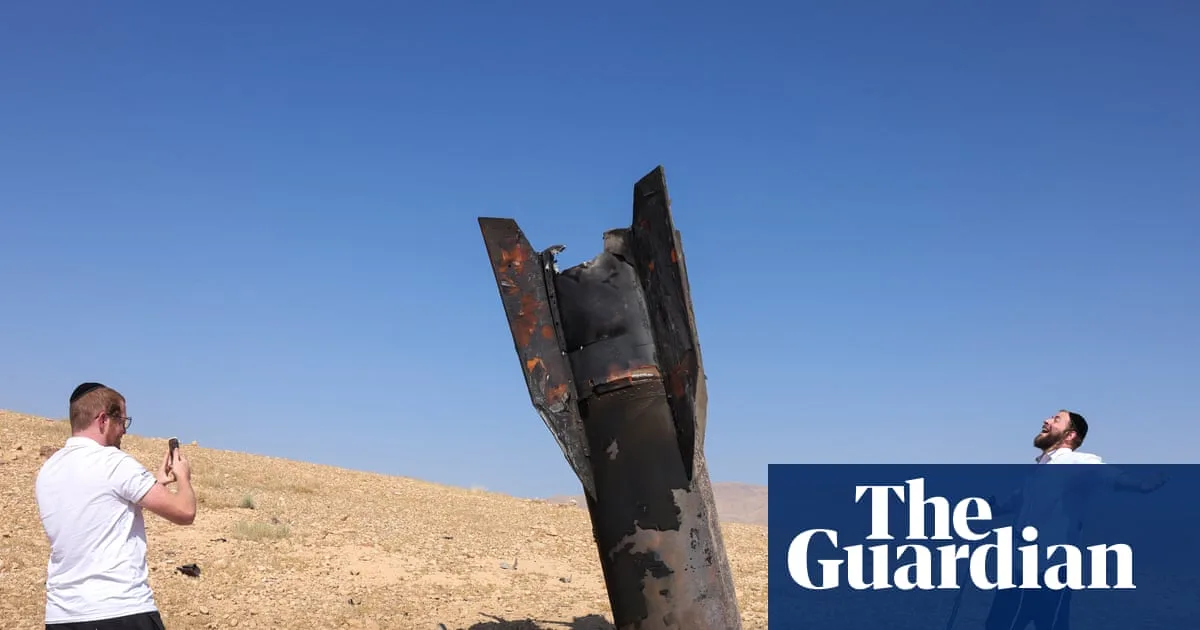
Iran remained defiant, with parliamentary speaker Mohammad Bagher Ghalibaf stating on social media that Tehran would not tolerate repeated violations. “So long as you lack a genuine willingness to build trust, Iran’s response will remain the same,” he wrote. The Islamic Revolutionary Guard Corps said it had targeted two military bases in Israel, and an Iranian missile fragment damaged homes in a West Bank settlement, though no injuries were reported.
Trump has pressed Israel to halt its attacks to allow room for negotiations, with Axios reporting an obscenity-filled rebuke of Netanyahu in a phone call last week. Trump was quoted as saying: “Bibi, you better be careful, or you will be on your own very soon.” In a social media post on Monday, he said Israel and Iran both wanted “an immediate CEASEFIRE!” and that final peace negotiations were proceeding. The violence had shaken financial markets, sending oil prices up 5 per cent, though stocks rose as both sides appeared to step back for now.




