
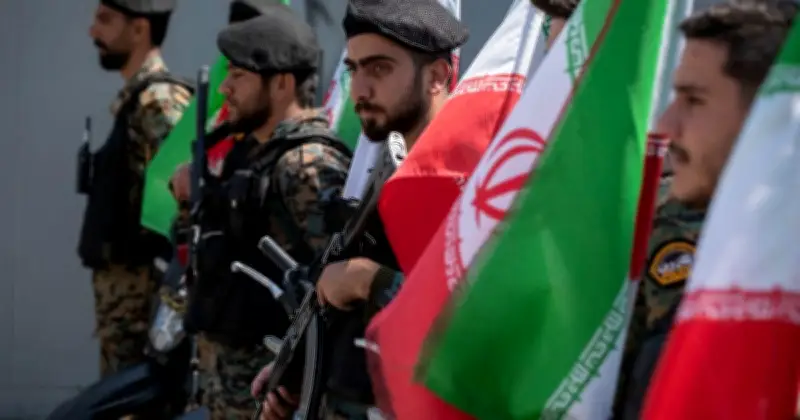
Donald Trump last week called for a pause on American strikes on Iran after nearly two weeks of hostilities in the latest phase of the conflict between the two nations.
US and Israeli forces launched strikes against the Islamic Republic of Iran on February 28, sparking a conflict that has continued into the summer. Iran retaliated against neighbouring Gulf nations and closed the Strait of Hormuz, which usually carries around 20% of global oil and gas supplies. The closure has sent fuel prices soaring and caused turmoil in world markets.
Netanyahu and Trump set for Washington meeting
A tenuous ceasefire declared in June quickly unravelled, but US forces have been unable to dislodge the ruling regime despite killing Iran's Supreme Leader Ali Khamenei in the first few days of the war. Israeli Prime Minister Benjamin Netanyahu is due to meet Donald Trump in Washington, marking their first face-to-face meeting since the two leaders launched their joint offensive.
Britain has supported the American war effort by allowing US planes to fly missions from RAF bases, a measure that new Prime Minister Andy Burnham said he would continue.
Iran warns UK will 'bear responsibility'
Iran's Ministry of Foreign Affairs accused the Government of "complicity in the crime of aggression and war crimes" by allowing the US to carry out "unlawful attacks". It added that the UK would "bear responsibility for the consequences and repercussions of its decision".
Iran's Islamic Revolution Guards Corps (IRGC) said RAF bases in the UK were now "legitimate targets". There have already been a number of arrests this year connected to individuals thought to be carrying hostile acts on behalf of Iran in Britain.
Expert: 'Sleeper cells are not a theoretical threat'
Emirati geopolitical commentator Rauda Altenaiji told Express.co.uk: "Sleeper cells are not some new or theoretical threat. They have been a cornerstone of the Islamic regime's playbook for decades.
"The Gulf learned long ago that these networks must be identified and dismantled before they become operational. Europe should be doing exactly the same instead of waiting until they carry out an attack.
"There have been reports that the Islamic regime will strike the bases of countries assisting the United States, and now that the UK has agreed to allow the use of RAF bases, attempts to target British military assets or interests should not come as a surprise.
"Quite frankly, however, the terrorist regime in Iran does not care about military bases nearly as much as it cares about destroying civilian infrastructure, terrorising ordinary people and creating maximum disruption.
"The Gulf has already experienced this firsthand. The regime threatened Kuwait's electricity and water infrastructure and attempted to strike the UAE's Barakah Nuclear Energy Plant, a civilian energy project. That tells you exactly what kind of regime we are dealing with."
Threat level remains severe
The current UK terror threat level remains at severe, meaning an attack is highly likely. Despite concerns over an Iranian threat on home soil, Defence Secretary Wes Streeting said on Sunday the UK should not be intimidated by Iran.
Asked whether Iran could target the UK, the Defence Secretary told BBC Breakfast: "I think we shouldn't put too much stock in the sabre-rattling of Iran, and we certainly shouldn't be intimidated by what the regime has said this week.
"We haven't joined offensive action against Iran. We have taken part in defensive action to support UK people, personnel, interests, and our allies, and we will continue to do so.
"But we stand ready to respond to any attacks that Iran wishes to wage against this country or our allies, and we will continue to do that."
Mr Streeting is seeking to improve the UK's relationship with Washington by working together to reopen the Strait of Hormuz and promising to invest in the UK military. Washington has paused its strikes on Iran and diplomatic efforts are being ramped up, but Mr Streeting said it was "too soon to make those judgments" when asked whether there has been a suspension of hostilities.




