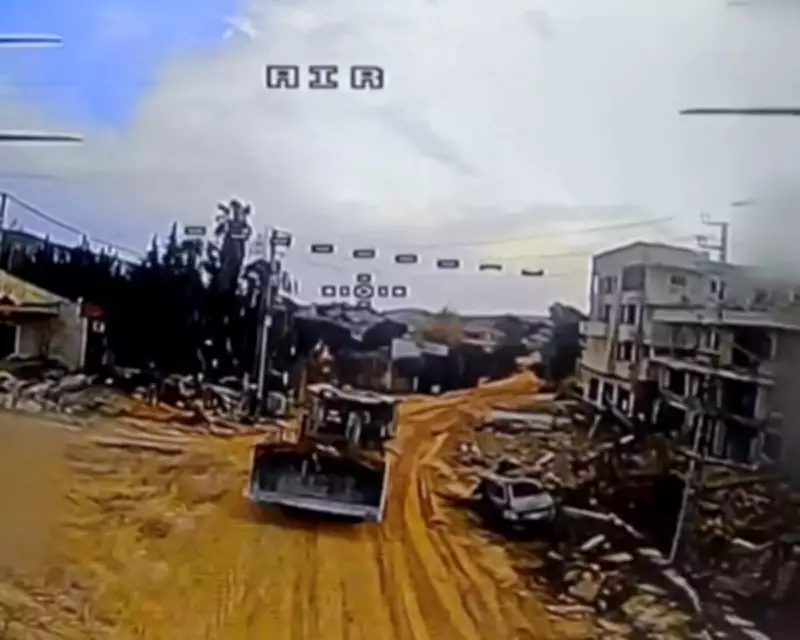
Hezbollah has adopted 3D-printing technology to produce low-cost, agile drones that are increasingly difficult for Israeli defence systems to detect and intercept, according to experts and military analysts. The development marks a significant shift in the balance of power in the Middle East, as non-state actors gain access to advanced manufacturing capabilities.
The Rise of 3D-Printed Drones
These drones, often assembled from commercially available components and printed plastic frames, can be produced rapidly and in large numbers. Unlike traditional military drones, they are small, quiet, and can fly at low altitudes, making them challenging for radar systems. Hezbollah has used them for surveillance and, in some cases, to carry explosive payloads.
Cost-Effective Asymmetric Warfare
Each drone costs only a few hundred dollars to produce, compared to the millions spent on advanced Israeli interception systems like the Iron Dome. This asymmetry allows Hezbollah to saturate Israeli defences with swarms of drones, overwhelming their capacity to respond. Analysts note that the technology is not unique to Hezbollah, with other groups and even states exploring similar approaches.

Israeli military officials have acknowledged the growing threat and are investing in counter-drone technologies, including electronic jamming and laser-based systems. However, the rapid evolution of drone capabilities continues to pose a challenge. The use of 3D printing also allows for quick design modifications, making it harder for defences to keep pace.
Experts warn that the proliferation of such technology could lead to an arms race in the region, with both sides constantly adapting. The situation underscores the changing nature of modern warfare, where access to manufacturing innovation can offset traditional military advantages.