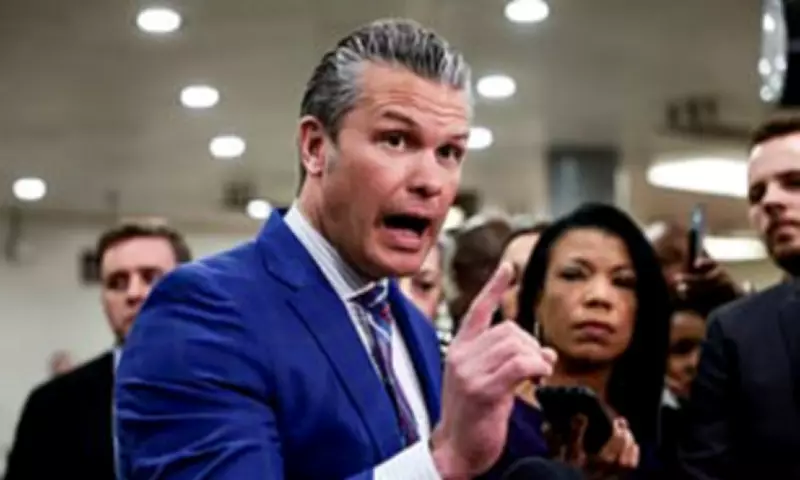
Pentagon Power Struggle Intensifies with Forced Ouster of Army Adviser
In a dramatic escalation of internal conflicts at the highest levels of the U.S. military, defense officials have disclosed that Pete Hegseth, a key political appointee, has successfully forced out a senior military adviser to Army Secretary Dan Driscoll. This shocking move underscores a deepening rift within the Pentagon, as Hegseth continues to assert his authority over the Army's top leadership.
Details of the Ouster and Internal Tensions
The ousted adviser, Colonel David Butler, was directed to be fired by Hegseth during a conversation at the Pentagon last week, according to sources familiar with the matter. Butler had previously worked for retired General Mark A. Milley, a figure who has long been a target of criticism from President Trump's administration. This intervention marks the second time Hegseth has pushed for Butler's removal, achieving success in this latest instance.
The strain between Hegseth and Driscoll, both prominent political appointees from the Trump administration, has reached a critical point, revealing a brutal power struggle that threatens to destabilize military operations. This move is part of a broader pattern of interventions by Hegseth into the Army's internal affairs, signaling a significant shift in the balance of power at the Pentagon.

Broader Implications for Military Leadership
The forced ouster has laid bare the escalating tensions within the Pentagon, as Hegseth's actions highlight a concerted effort to consolidate control over the Army's senior officials. This development raises concerns about the potential impact on military decision-making and cohesion, with experts warning that such internal conflicts could undermine national security efforts.
As the situation continues to unfold, observers are closely monitoring for further updates and potential repercussions within the defense establishment. The ongoing power struggle at the top of the military underscores the volatile nature of political appointments in key defense roles.