French Navy Implements Security Measures Following Fitness App Data Breach
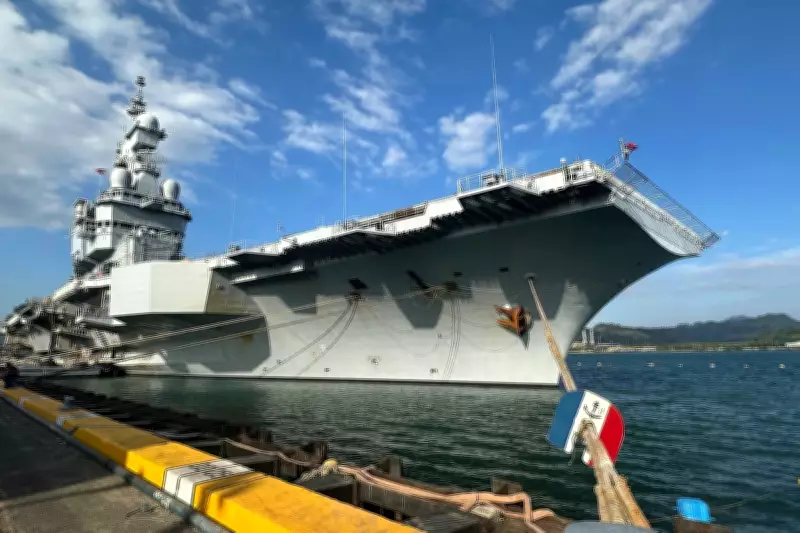
The French military has confirmed it is taking appropriate measures after a naval officer's use of the Strava fitness tracking application inadvertently enabled journalists to geolocate the nation's flagship aircraft carrier, the Charles de Gaulle, currently deployed in the Mediterranean Sea. This security incident occurred despite the vessel's deployment being publicly acknowledged, raising significant concerns about operational security protocols.
How the Location Was Compromised
According to reports from the French newspaper Le Monde, a naval officer used the Strava performance application during a morning jog on March 13th. This data was then cross-referenced by journalists with satellite imagery from the same day, allowing them to pinpoint the exact location of the Charles de Gaulle carrier strike group. The newspaper suggested the officer was likely exercising either on the carrier itself or on one of its accompanying escort vessels.
French military spokesman Colonel Guillaume Vernet stated that the reported use of Strava does not comply with current security guidelines. He emphasized that sailors receive regular briefings on the security risks associated with connected devices, including the potential for geolocation through digital applications in their private lives. Vernet explained that the French navy employs varying levels of restrictions on connected device usage, which are determined by command based on the prevailing threat level.

Context of the Deployment
The aircraft carrier's deployment this month was not classified information. In fact, Rear Admiral Thibault Haudos de Possesse, commander of the carrier group, had conducted a video briefing with reporters from aboard the Charles de Gaulle on the very same day as the jogging incident. He detailed that the nuclear-powered, 42,000-ton vessel was being escorted by multiple warships, including French and allied frigates, and was carrying twenty Rafale fighter jets, two Hawkeye surveillance aircraft, and three helicopters.
However, Le Monde argued that revealing the strike group's location in near real-time on a public platform poses a significant danger, particularly given the ongoing conflict involving Iran. This concern was underscored by a drone attack on March 12th targeting a Kurdish military base in the Erbil region, which resulted in the death of French Chief Warrant Officer Arnaud Frion and injuries to six others.
Future Naval Developments
In related news, French President Emmanuel Macron recently announced the name of France's next-generation nuclear-powered aircraft carrier, the France Libre (Free France). With an estimated cost of 10 billion euros (approximately $11.5 billion), this new vessel is projected to enter service in 2038. It will be substantially larger than the Charles de Gaulle, with a displacement of around 80,000 tons and a length of 310 meters (1,017 feet), compared to the current carrier's 42,000 tons and 261 meters (856 feet). The France Libre is designed to accommodate up to thirty Rafale fighter jets and a crew of 2,000 sailors.
The incident serves as a stark reminder of the vulnerabilities introduced by modern technology, even within highly secure military operations, prompting a thorough review of personal device policies among naval personnel.