France's Mediterranean Power Play Leaves Britain in Diplomatic Disarray
Britain has been left diplomatically embarrassed by France after President Emmanuel Macron ordered an unprecedented naval deployment to the Mediterranean and Middle East. As the United Kingdom struggled to mobilise even a single warship, the French president showcased a formidable display of diplomatic and military power on the international stage.
Macron's Strategic Deployment to the Strait of Hormuz
President Macron has set out ambitious plans for French vessels to protect the critical Strait of Hormuz trade route. This strategic passage has been effectively closed by Iran, causing a blockade of global oil supplies and sending prices soaring dramatically. The French leader was warmly welcomed in Cyprus, where hundreds of British families at RAF Akrotiri have been forced to shelter from Iranian suicide drone attacks.
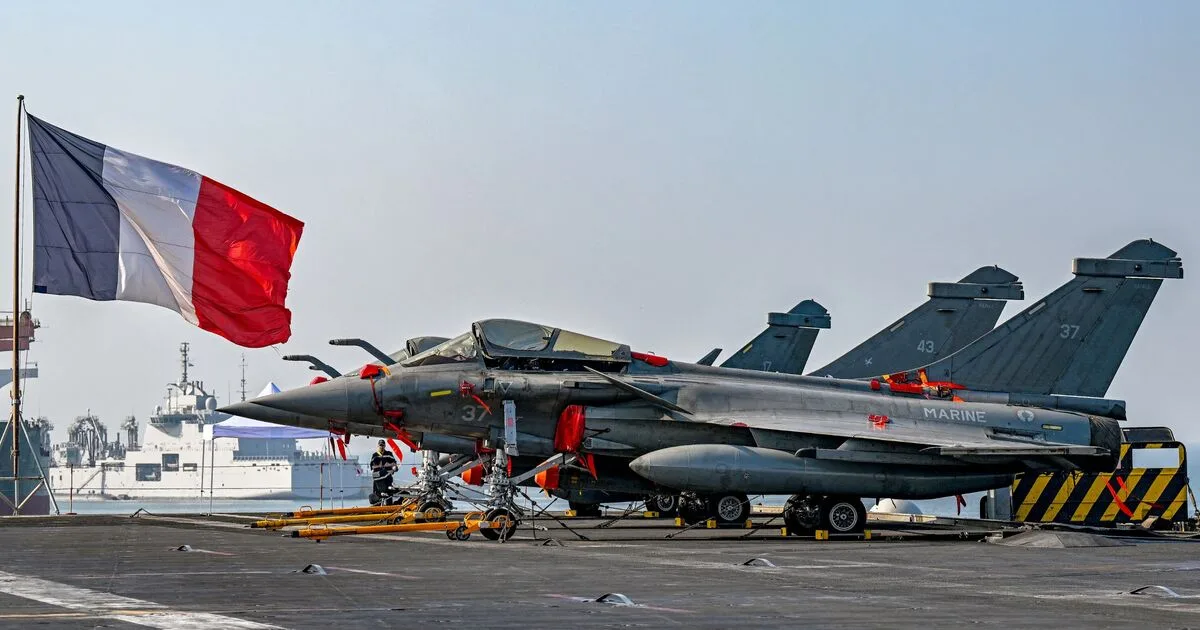
In a significant development, Macron pledged to deploy a fleet of eight ships to safeguard the 25-mile wide Strait of Hormuz, where they are expected to eventually join United States forces. This deployment includes eight frigates, two amphibious helicopter carriers, and France's flagship Charles de Gaulle aircraft carrier.
Britain's Military Shortcomings Exposed
While France demonstrated decisive action, Britain faced another embarrassing delay as Defence Secretary John Healey admitted the destroyer HMS Dragon would spend at least two more days in Portsmouth before departing for the conflict zone. The £1 billion warship is then expected to take a full week to reach Cyprus, by which point Italian, French, Spanish and Netherlands vessels could already be operational in the region.
In an apparent criticism of British leadership, President Macron declared during his Cyprus visit that "an attack on Cyprus is an attack on all Europe" - a pointed remark that came as the Royal Navy remained largely absent despite the drone strike on Akrotiri early in the conflict.
Regional Tensions and Global Repercussions
The conflict threatens to plunge Britain into a new cost-of-living crisis with petrol prices, energy bills and mortgage rates all projected to rise significantly. The Strait of Hormuz blockade has already seen Britain's gas reserves dwindle from 18,000 GWh to just 6,700 GWh, forcing the country to pay the highest wholesale gas prices in Europe.
Meanwhile, the Islamic Revolutionary Guard Corps - Iran's dominant military, economic and political force - announced that oil tankers from any Arab or European country that expels Israeli and American ambassadors would be permitted to pass through the Strait of Hormuz from today.
International Reactions and Diplomatic Fallout
The situation has created significant diplomatic tensions, particularly between British leadership and international allies. Former US President Donald Trump criticised Britain's response, suggesting the UK was attempting to "join wars after we've already won" and famously declaring that Keir Starmer was "no Winston Churchill."
Foreign Secretary Yvette Cooper responded to Trump's social media criticism by stating that "diplomacy through social media isn't our style" and emphasising that it was not in Britain's interests to outsource foreign policy decisions.
Additional Security Developments
Several other significant developments occurred simultaneously:
- The RAF successfully intercepted drones from Iranian forces and proxies over Jordan and Bahrain
- The attack submarine HMS Anson was diverted from exercises in Australia to head for the Middle East
- Turkey's defence ministry reported that NATO defences intercepted a ballistic missile fired from Tehran
- An audit revealed 27 UK universities had students publicly mourning the death of Ayatollah Ali Khamenei
Chancellor Rachel Reeves addressed growing concerns about fuel prices in Parliament, promising action to ensure people pay "the lowest possible price at the pump" and announcing special meetings to address heating oil prices affecting rural and Northern Irish communities.
The French president's decisive action stands in stark contrast to Britain's hesitant response, highlighting significant differences in European military readiness and diplomatic strategy during this escalating Middle East crisis.




