France Launches Major Naval Operation to Reopen Strait of Hormuz
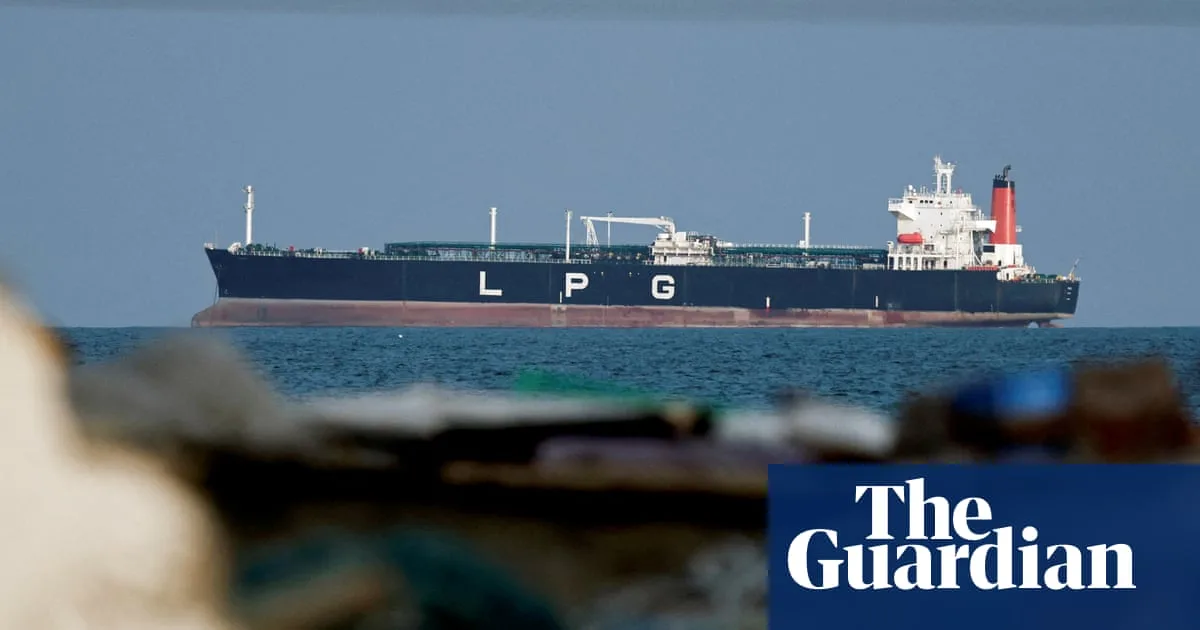
In a dramatic move to address escalating global oil prices, French President Emmanuel Macron has ordered what officials are calling an "unprecedented" deployment of French Navy vessels to the strategically vital Strait of Hormuz. The decision comes as the crucial maritime passage faces near-total closure following Iranian threats to fire on any ships navigating the region.
Unprecedented French Naval Deployment
President Macron announced on Monday that France will dispatch a formidable naval task force including eight frigates, two amphibious helicopter carriers, and the nation's flagship aircraft carrier, the Charles de Gaulle. This represents one of France's most significant naval deployments in recent history, with the explicit purpose of establishing a defensive escort mission for commercial vessels.
"We are in the process of setting up a defensive, purely escort mission together with European and non-European states," Macron declared. "The purpose is to enable, as soon as possible, the escort of container ships and tankers to gradually reopen the Strait of Hormuz."
The Strait of Hormuz serves as a critical global energy artery, with approximately 20 percent of the world's natural gas and oil flowing through this narrow passage between the Persian Gulf and the Gulf of Oman. Its closure has triggered immediate economic consequences across Europe.
UK Faces Mounting Pressure Over Naval Response
While France mobilizes its naval assets, Britain finds itself under increasing scrutiny for its more cautious approach. Prime Minister Keir Starmer has yet to deploy any Royal Navy ships to the Middle East, despite the UK experiencing severe energy supply disruptions.
British gas reserves have plummeted from 18,000 GWh to just 6,700 GWh, forcing the nation to pay the highest wholesale gas prices in Europe. HMS Dragon, one of the Royal Navy's few action-ready destroyers, remains docked at Portsmouth rather than beginning its scheduled defense mission for British sovereign base areas in Cyprus.
Defense sources indicate that the aircraft carrier HMS Prince of Wales has been upgraded to advanced readiness status, with crews prepared to set sail within five days if deployment orders are issued. However, a significant complication has emerged: if deployed, the British carrier might require French naval escort due to insufficient available Royal Navy vessels.
International Tensions and Diplomatic Rifts
The situation has exposed diplomatic fractures between Western allies. Former US President Donald Trump has launched scathing criticism at Prime Minister Starmer, labeling him "no Winston Churchill" during a recent press conference. The two leaders held crisis talks on Sunday following public disagreements over their contrasting approaches to the Iran conflict.
In a social media post on Saturday, Trump warned that the United States would "remember" Britain's lack of support, suggesting the UK was attempting to join a war after it had already been won. British Foreign Secretary Yvette Cooper responded sharply, stating that "diplomacy through social media isn't our style" and emphasizing that outsourcing foreign policy wasn't in Britain's interests.
Economic Fallout and Domestic Concerns
Chancellor Rachel Reeves addressed growing economic anxieties during a House of Commons meeting on Monday, acknowledging fears that British drivers could face record fuel prices. With experts predicting petrol could reach £2 per litre, Britons are being urged to reduce driving as Middle East tensions threaten to send forecourt prices soaring.
"I am taking action to ensure that people pay the lowest possible price at the pump," Reeves assured Parliament. She also promised focused discussions on heating oil prices, particularly for households in rural areas and Northern Ireland who face unique challenges.
The global oil market has experienced severe disruption, with prices surpassing $100 per barrel for the first time in years. Saudi Arabia, the region's largest oil supplier, has reportedly begun curbing output at two major fields, signaling further potential supply constraints.
Regional Conflict and Future Uncertainties
Trump revealed to The Times of Israel that he and Israeli Prime Minister Benjamin Netanyahu would make a "mutual decision" about when to conclude military operations against Iran. The former president asserted that without their intervention, Iran would have destroyed Israel and surrounding nations.
As France prepares its substantial naval presence in the Gulf region, questions remain about how quickly the Strait of Hormuz can be safely reopened to commercial traffic. The international community watches closely as European nations navigate both military and diplomatic challenges in one of the world's most volatile regions.






