
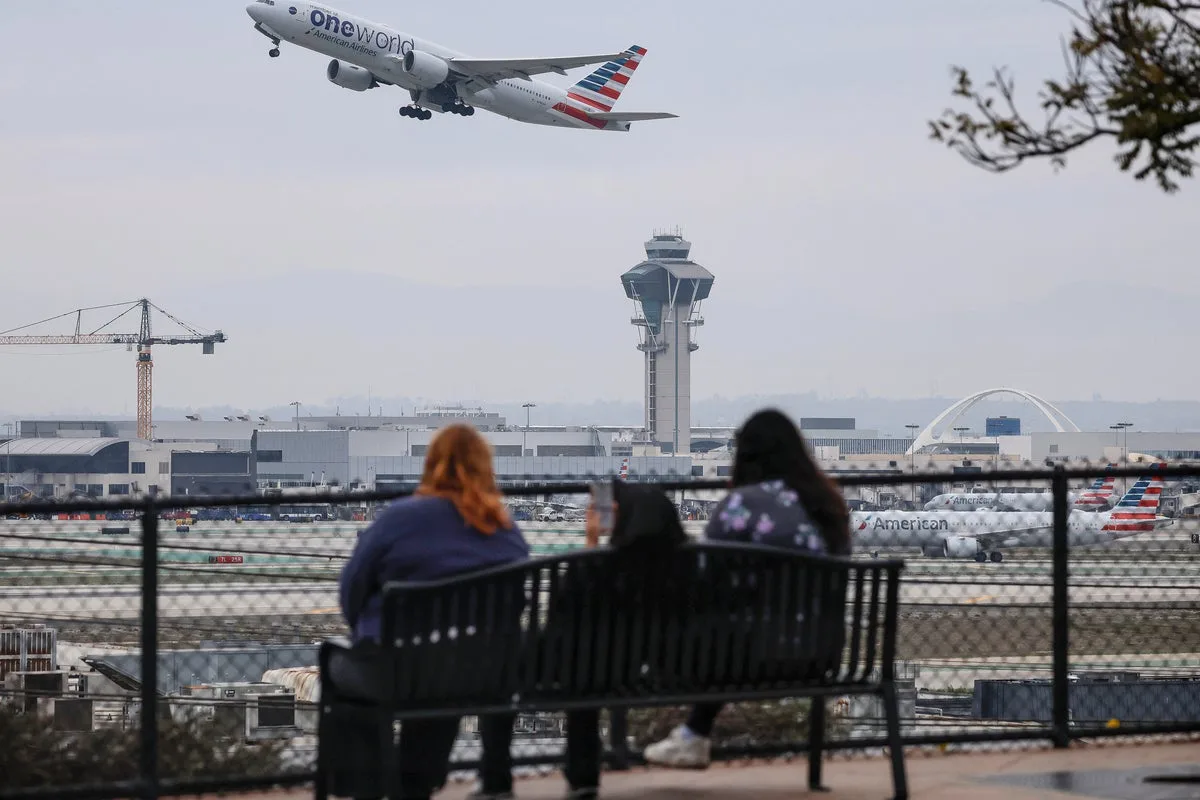
The US Federal Aviation Administration has issued Notices to Airmen (NOTAMs) warning aircraft operators of potential risks over the eastern Pacific Ocean near Mexico, Central America and parts of South America, citing ongoing 'military activities' and satellite navigation interference. The warnings, which came into effect on Friday, will remain in place for 60 days and cover Mexico, Central American countries, Ecuador, Colombia and specific areas of airspace in the eastern Pacific. The FAA said 'potential risks exist for aircraft at all altitudes, including during overflight and the arrival and departure phases of flight.'
The advisory follows nearly four months of US military strikes against vessels in the Caribbean Sea and eastern Pacific which Washington alleged were trafficking drugs. According to the Trump administration, 35 known strikes resulted in at least 115 fatalities. The period culminated in a 'large-scale strike' against Venezuela, during which President Nicolás Maduro and his wife, Cilia Flores, were apprehended and taken to New York to face federal drug trafficking charges.
Tensions between the US and regional leaders have intensified since the Trump administration initiated a significant military build-up in the southern Caribbean, attacked Venezuela and seized its president in a military operation. Trump has also raised the possibility of further military action in the area, including against Colombia. Last week he suggested drug cartels were controlling Mexico and that the US could launch strikes against land targets to combat them.
Mexico responded to the FAA advisory by clarifying that it was merely a precaution and did not restrict Mexican airspace or airlines. The ministry said the notice applies solely to US operators and aviation operations within Mexico remain unaffected. Following the Venezuela operation, the FAA restricted flights across the Caribbean, leading to the cancellation of hundreds of flights by major airlines.
FAA Administrator Bryan Bedford confirmed this week that there had been good coordination between the agency and the US military prior to the Venezuela operation. The previous month, a JetBlue passenger jet bound for New York was forced to take evasive action to avoid a mid-air collision with a US Air Force tanker plane near Venezuela. JetBlue Flight 1112, departing from Curacao, was approximately 40 miles (60 km) off the Venezuelan coast when its Airbus aircraft reported encountering the Air Force jet, which did not have its transponder switched on.




