
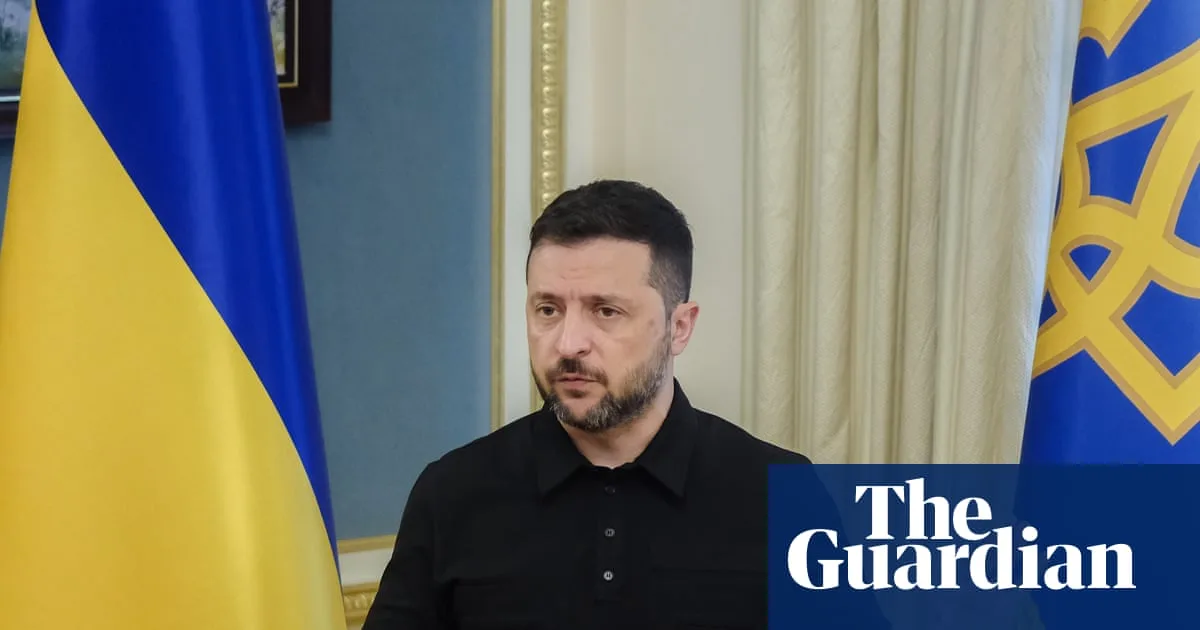
EU member states have reached an agreement to unblock an urgently needed €90bn (£78bn) loan for Ukraine and a new sanctions package against Russia, after Hungary lifted its veto. The move followed Ukraine's resumption of oil pumping through the Druzhba pipeline to Hungary and Slovakia, which had been suspended due to damage from Russian drone strikes.
The loan, agreed in principle by the EU in December, consists of two €45bn interest-free tranches to be disbursed in 2026 and 2027. Each year, €28bn will be allocated for military spending and €17bn for general budget needs. The funds are expected to cover two-thirds of Ukraine's financing needs and are backed by the EU budget, with repayment to come from frozen Russian central bank assets once the war ends.
Hungary's outgoing Prime Minister Viktor Orbán had vetoed the loan in March, accusing Ukraine of deliberately delaying repairs to the Druzhba pipeline. Slovakia supported the veto. However, after Ukraine resumed pumping, Hungarian oil firm MOL confirmed crude oil was expected in Hungary and Slovakia by Wednesday. Ukraine's President Volodymyr Zelenskyy welcomed the news, saying it showed both support for Ukraine and pressure on Russia were necessary.
The agreement also unlocks the EU's 20th sanctions package against Moscow, which includes tighter maritime and energy restrictions, bans on vessels linked to Russian oil transport, and asset freezes on around 120 individuals and entities, including 20 Russian regional banks. Crypto platforms and digital assets are also targeted.
Economists had warned Ukraine could run low on funds by June without the loan. The EU's economic commissioner Valdis Dombrovskis said the first disbursement could come in late May or early June. The loan scheme was designed to use frozen Russian assets without confiscating them, a legal concern for some member states.




