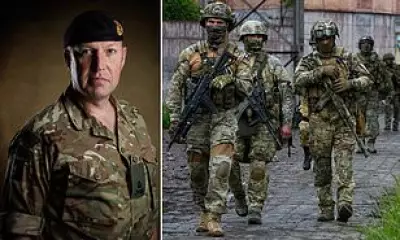
European Union leaders have finalised a historic deal to substantially ramp up defence spending across the bloc, marking a pivotal shift in the continent's security posture. The agreement, reached during a summit in Brussels, comes in response to Russia's continued aggression in Ukraine and growing concerns over regional stability.
Key elements of the defence package
The new framework commits member states to raise their defence budgets to at least 2% of GDP, aligning with NATO guidelines. This move is expected to unlock billions of euros for military modernisation, joint procurement, and enhanced rapid reaction forces. Leaders also agreed to establish a dedicated EU defence fund to support collaborative projects, particularly in areas such as cyber defence, air defence systems, and military mobility.
Hungary's initial resistance overcome
The negotiations faced a significant hurdle when Hungary initially blocked the agreement, citing concerns over sovereignty and the potential for EU overreach. However, after intense diplomatic efforts, Budapest ultimately conceded, securing assurances that national decision-making on defence matters would remain intact. Hungarian Prime Minister Viktor Orbán stated that while Hungary supports stronger European defence, it must not undermine the principle of national control.

Reactions from key players
European Commission President Ursula von der Leyen hailed the deal as a "landmark moment for European security," emphasising that the EU must take greater responsibility for its own defence. German Chancellor Olaf Scholz described the agreement as a "clear signal of unity and resolve." Meanwhile, NATO Secretary General Jens Stoltenberg welcomed the move, noting that it would strengthen the transatlantic alliance.
Implications for Ukraine
The increased spending is expected to accelerate the delivery of military aid to Ukraine, including advanced weapons systems and training for Ukrainian forces. EU leaders reiterated their unwavering support for Kyiv, pledging to maintain sanctions against Russia and explore further ways to hold Moscow accountable for the war.
Economic considerations
To finance the defence boost, member states will have flexibility in how they allocate funds, with options including reallocating existing budgets, issuing joint bonds, or leveraging the European Investment Bank. Some economists have warned that the spending increase could strain public finances, particularly in countries already facing high debt levels. However, proponents argue that the investment is essential for long-term security and economic stability.
The agreement marks a significant evolution in EU defence policy, which has historically been overshadowed by NATO. As the bloc moves towards greater strategic autonomy, the coming months will see detailed implementation plans and monitoring mechanisms to ensure commitments are met.