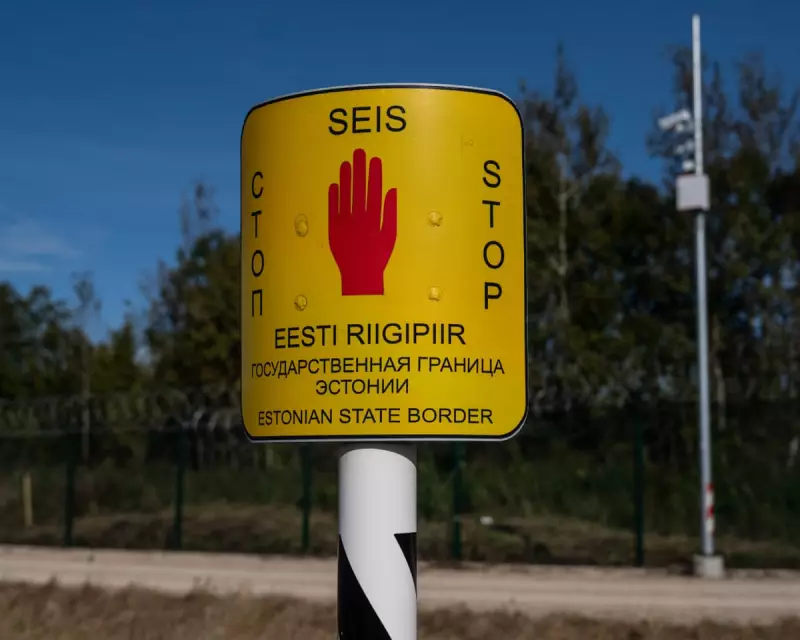
Estonia has taken a decisive step in barring Russian nationals who participated in the invasion of Ukraine from entering its territory, urging other European nations to follow its lead. The Baltic state, which shares a border with Russia, has initiated entry bans against 261 individuals identified as having fought against Ukraine.
Estonia's Security Justification and Call for EU Action
Markus Tsahkna, Estonia's Foreign Minister, declared this action as "only the beginning", calling for a coordinated European visa ban on Russian veterans of the conflict. The move has garnered support from neighbouring Baltic and Nordic countries. Estonian Interior Minister Igor Taro emphasised the tangible threat, stating the banned individuals possess "combat experience and military training, and may often have a criminal background".
The Estonian interior ministry estimates that up to 1.5 million Russians have been involved in the invasion, with roughly half serving on the front lines. The ministry asserted that those who committed atrocities in Ukraine have "no place in the free world". Ukrainian Foreign Minister Andrij Sybiga praised the measure, labelling such entry bans a "necessary security measure" and a signal that impunity will not be tolerated.

Ukraine Strikes Back: Drone Plant Ablaze in Taganrog
In related developments, Ukrainian forces targeted a key drone manufacturing facility inside Russia. The strike hit the Atlant Aero plant in Taganrog, in Russia's western Rostov region, which produces Molniya strike and surveillance drones and components for Orion drones. The attack prompted the local governor to declare a state of emergency after two enterprises were hit, with video evidence showing major fires at the site.
Separately, two Greek-owned oil tankers were attacked in the Black Sea. The Maltese-flagged Matilda and Liberian-flagged Delta Harmony sustained minor damage with no injuries reported. Notably, the Matilda was en route to load Kazakh oil at the Caspian Pipeline Consortium terminal near Novorossiysk, a facility Ukraine has previously targeted to disrupt Russian oil revenues.
Russia's Winter Onslaught and Energy Grid Attacks
Meanwhile, Russia launched one of its largest aerial assaults of the new year overnight into Tuesday, targeting cities across Ukraine. President Volodymyr Zelenskyy reported the attack involved nearly 300 drones, 18 ballistic missiles, and seven cruise missiles. The strikes killed at least four people and caused widespread damage to energy infrastructure, knocking out heat and power in multiple regions.
Emergency power cuts were enforced in the capital, Kyiv, and the Chernihiv, Odesa, Kharkiv, Dnipropetrovsk, Zaporizhzhia, and Donetsk regions. This attack exacerbates an already dire situation for Kyiv residents, who have endured days of interrupted power and heating since a major Russian strike last week, leaving millions exposed to freezing winter conditions.