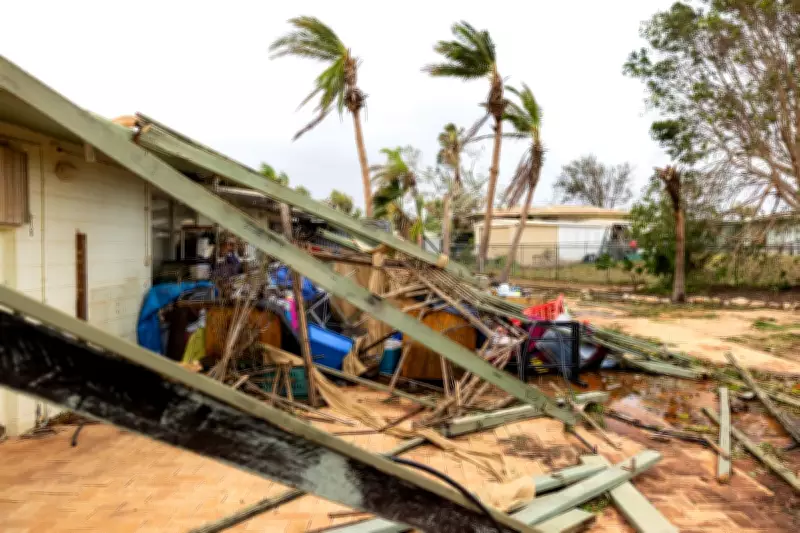
Exmouth Ravaged by Cyclone Narelle as Energy Sector Faces Setbacks
Exmouth, a popular tourist town in Western Australia, has been left isolated and inundated following the destructive passage of Tropical Cyclone Narelle. The cyclone, which first made landfall in Queensland over a week ago, tracked across northern Australia before lashing the WA coast with winds reaching up to 250km/h and dumping a year's worth of rain in a single day.
Widespread Destruction and Ongoing Recovery Efforts
Local resident Craig Kitson described the scene as "pretty much devastation everywhere you look," noting that the town has "fundamentally changed." The impact has been severe, with roofs torn off buildings, widespread power losses, and homes flooded. Approximately 50 people were forced to evacuate a local shelter after it sustained wind damage, highlighting the harrowing conditions faced by Exmouth's few thousand residents.
Authorities and energy providers are working tirelessly to restore essential services. Power outages persist in Exmouth and Carnarvon, with additional crews deployed on Sunday to assist local teams. Repair work is also underway on damaged water infrastructure, while the town's airport has suffered extensive damage and the main access road remains closed due to flooding.

Cyclone's Path and Environmental Impact
After weakening to a subtropical low, Narelle moved offshore from WA's south coast on Saturday evening. The storm brought heavy rainfall to the Lyons and Gascoyne river catchments, causing minor to moderate flooding, with water levels expected to continue rising in some areas. Gusts above 120km/h were recorded in parts of the Gascoyne region, accompanied by rainfall totals of up to 100mm, increasing risks of flash flooding and further road closures.
Global Energy Supply Disruptions
The cyclone has exacerbated the global energy supply crunch by disrupting production at two of Australia's largest liquefied natural gas plants. Chevron Australia reported outages at its Gorgon and Wheatstone facilities, located near Exmouth. Gorgon, situated on Barrow Island, is Australia's largest LNG export facility, producing 15.6 million metric tonnes annually, while Wheatstone operates two units with an output of 8.9 million tonnes per year.
Woodside also experienced production interruptions at its Karratha gas plant due to the cyclone, although operations at its Macedon and Pluto facilities remained unaffected. These disruptions highlight the broader economic implications of severe weather events on critical infrastructure.
As recovery efforts continue, residents like Kitson, who lost a fence and endured a night under a leaking roof, consider themselves fortunate compared to others whose homes were completely destroyed. The community faces a long road to rebuilding, with authorities urging caution amid ongoing weather warnings and potential further impacts.