
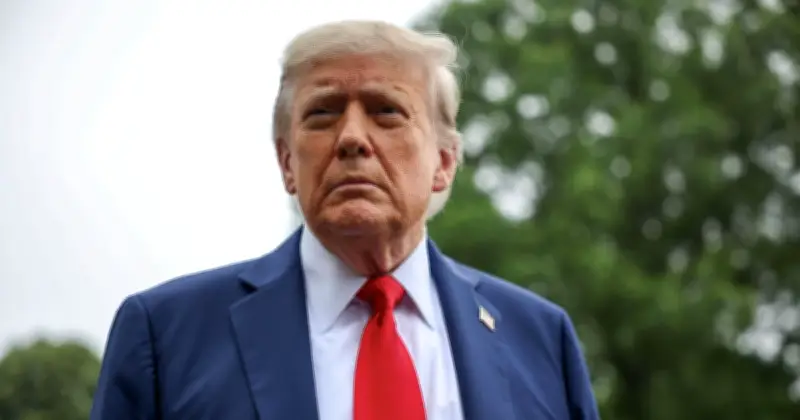
After more than five years in the White House, Donald Trump has become known for expecting the unexpected. Yet two issues have seen no bombastic flip-flopping: oil and defence spending. The president, who has championed the slogan “Drill, Baby, Drill”, spoke highly of Britain’s “new gentleman” as the latest Number 10 tenant assured him there would be new oil drilling in the North Sea.
But Burnham’s comments on defence risk irking the enigmatic president, who has spent the last 18 months shaking NATO’s foundations. The Labour leader has so far refused to commit to spending 3% of GDP on defence by 2030, putting him on a potential collision course with his Chancellor John Healey. Healey said he was “certain” this should be the target as he sensationally quit his defence secretary role under Sir Keir Starmer.
The new Prime Minister dodged a reporter’s question about 3% by 2030, instead stressing the UK will “honour” a NATO commitment to reach 3.5% by 2035. That figure, part of a wider 5% goal, is the minimum, and Trump will expect Britain to be at the vanguard of his NATO revolution.
US pressure on Europe
Washington has made clear that Europe must do more and take “primary responsibility” for its defence. All of this matters because America is the UK’s strongest ally and biggest defence partner. Britain has long been seen as the bridge between Europe and the US, and maintaining that status quo is vital for defence, security and economic outlook. Failure to do so could be catastrophic.
Money talks in defence, and it is a language businessman Trump knows well. Greater clarity on the path to 3% – and then onto 3.5% – is vital to keeping the unpredictable man in the White House onside and keeping the military sufficiently equipped.
Submarine cash injection
While Burnham has largely focused on issues like the cost of living in his initial days as PM, defence announcements are beginning to emerge. He visited Barrow-in-Furness, Cumbria, to unveil £8.4billion in investment for the next stage of the Royal Navy’s latest generation of nuclear-armed submarines, the Dreadnought Class.
This new funding, however, comes from the £63.6billion already earmarked for the nuclear programme over the next four years in the Defence Investment Plan. Cynics may call it a political stunt, but the trip – shortly after welcoming Ukrainian President Volodymyr Zelensky to Portsmouth – sent an important message about the PM viewing defence as a priority.
The investment is set to support tens of thousands of UK jobs, including apprenticeships, which Burnham has been keen to champion as a way of ending the youth unemployment crisis. Backing British industry and jobs is something we should all get behind.
New drone for British troops
The military’s shift towards drones continues with new spy UAVs, battle-tested against Vladimir Putin’s forces in Ukraine, set to be delivered to British troops. More than 20 AR5s are expected to be handed over to the British Army as part of a deal worth up to £400million.
The drones can carry 50kg of surveillance kit such as sensors and cameras, and are expected to begin entering service later this year. The initial order is for six AR5 drones, with up to 24 to be delivered by 2029. Designed by Portuguese firm Tekever, the drones will be built at the company’s new, soon-to-be-open manufacturing facility in Swindon.
They will replace the Watchkeeper, which is retiring early in 2027 after being beset by issues. The Ministry of Defence said the AR5 offers “significantly improved endurance, sensor capability and reliability”. Britain has some catching up to do when it comes to the new era of drone warfare, but this is a welcomed step in the right direction.




