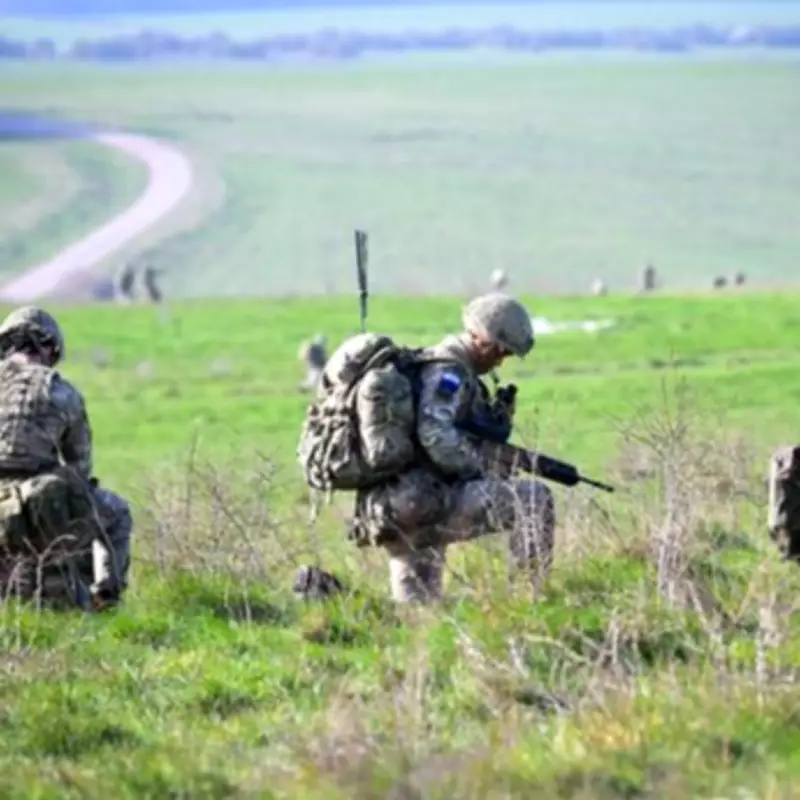
Britain faces greater exposure to global threats than at any moment since the Cold War era, according to a stark warning from the chair of the Defence Committee. Tan Dhesi has issued an urgent call for action, highlighting that the nation cannot afford to drift while the world becomes increasingly perilous.
Escalating Conflicts and Mounting Pressures
Conflict in the Middle East has now spread extensively across the region, creating a severe humanitarian crisis and placing immense strain on international partners. This situation piles additional pressure on UK Forces, who are already operating with constrained resources and doing more with less. The challenges do not end there, as Moscow has been closely monitoring developments, with Russian submarines actively tracking the undersea cables that are critical to keeping the country functioning.
Meanwhile, Russia's invasion of Ukraine continues unabated, with Ukrainians fighting daily for their survival. This combination of factors paints a clear picture of a more dangerous world, and Dhesi emphasises that Britain is not as ready as it should be to confront these threats.

Government Inaction and Delayed Planning
The Government has not yet risen to the occasion, and time is rapidly running out. There is an urgent need for much faster movement in addressing defence preparedness. Last year's Strategic Defence Review outlined a long-term vision for the military, but the crucial Defence Investment Plan, known as the DIP, which was meant to provide detailed implementation steps, remains missing. Promised for last autumn, this plan has still not materialised, resulting in lost months that matter significantly in today's volatile global environment.
Consequences of Uncertainty
The absence of a public plan now risks undermining UK defence on multiple fronts, from the vital defence industry to relationships with international partners. For the British public, this issue transcends Whitehall bureaucracy. Defence plans directly influence what equipment our forces train with, what systems are developed—including drones, aircraft, tanks, and ships—and whether Britain can maintain self-sufficiency during a crisis.
Without the DIP, there is no clear plan, no definitive direction, and no reassurance for either the armed forces or the industries that support them. Allies are seeking not just verbal commitments from Britain but concrete evidence of what the nation is prepared to deliver. Uncertainty breeds doubt, and doubt ultimately weakens deterrence capabilities.
Cross-Party Concerns and Evidence-Based Warnings
Recent reports indicating that the Defence Readiness Bill will not be included in the King's Speech represent another setback for UK defence. Dhesi stresses that national safety should not be a party-political issue. The Defence Committee, a cross-party group of MPs tasked with holding the Government accountable on defence matters, has observed a consistent pattern of missed deadlines, delayed decisions, and a lack of urgency.
These warnings are grounded in hard evidence gathered from public hearings featuring senior military leaders, defence firms, and frontline voices, rather than partisan rhetoric. For years, there have been assertions that the Armed Forces are hollowed out and that the UK is in a pre-war age, yet decisive action remains elusive.
An Urgent Call to Action
The situation is too critical to tolerate further dithering. Whatever obstacles are impeding progress within the Ministry of Defence must be resolved immediately. Britain simply cannot afford to drift while the global landscape grows increasingly hazardous. The need for robust, timely defence planning has never been more pressing.