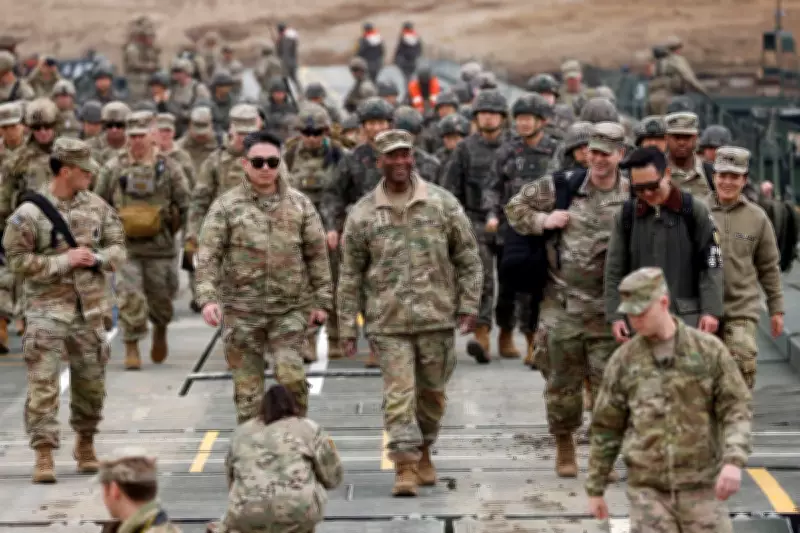
The United States is poised to implement a significant change to its military draft system, with plans to automatically register all eligible men between the ages of 18 and 25 into a draft pool, starting as early as December. This proposal, advanced by the Selective Service System, stems from the fiscal 2026 National Defence Authorisation Act, which transfers the responsibility for registration from individuals to the government agency.
Shift in Registration Process Sparks Debate
Under the new rule, the Selective Service System will proactively enrol men based on existing federal data, such as driver's licence records and social security information, rather than relying on voluntary sign-ups. This marks a departure from the current system, where individuals must register themselves, often when obtaining a driver's licence or applying for federal student aid. The change aims to streamline the process and ensure compliance, but it has ignited fears about the potential return of mandatory military call-ups, especially in light of escalating tensions with Iran.
Historical Context and Political Implications
Military service in the United States has been voluntary since 1973, following the end of the Vietnam War draft. Reinstating a draft would require an amendment to the Military Selective Service Act by an act of Congress, a step that has not been taken in over five decades. However, the proposal has stirred political debate, particularly given former President Donald Trump's stance during his 2024 campaign. Trump criticised the idea of a draft while simultaneously refusing to rule out deploying ground troops in the Middle East, highlighting the complex interplay between military policy and geopolitical strategy.

The automatic registration move comes amid heightened concerns about global conflicts, with Iran being a focal point of recent diplomatic and military discussions. Critics argue that this change could pave the way for a future draft if national security threats escalate, while supporters contend it is a necessary update to modernise the Selective Service System and improve readiness.
Public Reaction and Future Outlook
Public reaction has been mixed, with some expressing alarm over the implications for personal freedoms and the potential for forced military service. Others view it as a pragmatic step to bolster national defence capabilities. The Selective Service System has emphasised that automatic registration does not equate to an immediate draft but rather ensures a more efficient and comprehensive pool of eligible individuals in case of a national emergency.
As December approaches, the proposal will undergo further review and potential adjustments. Stakeholders, including lawmakers, military experts, and civil liberties advocates, are expected to engage in ongoing discussions about the balance between security needs and individual rights in an increasingly volatile global landscape.