British Army's Make-Up Review Sparks Debate on Military Priorities
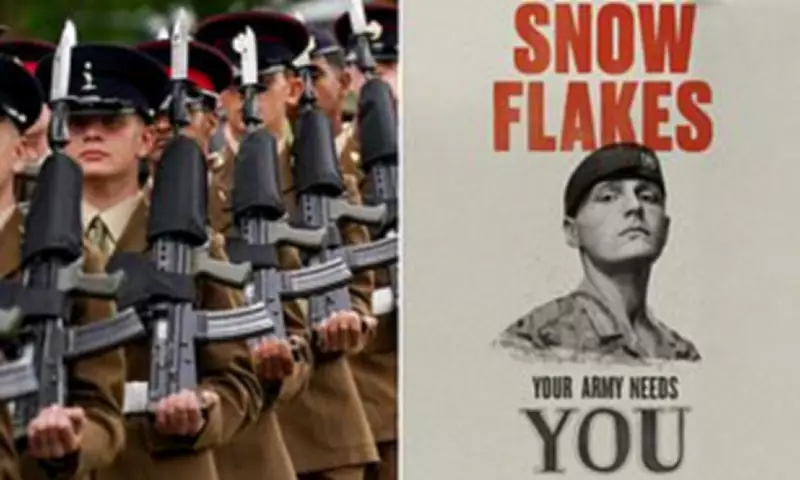
The British Army has launched a review into whether male soldiers should be permitted to wear make-up, a move that has been met with widespread criticism as ridiculous and ill-timed. This is not the first such consultation, raising questions about the military's focus amidst escalating global conflicts.
Historical Context of Cultural Shifts
For approximately four decades, since the emergence of what was once termed political correctness, conservative institutions have been primary targets. Accusations of racism, sexism, and homophobia have led to repeated cultural inquisitions aimed at transforming their foundational values.
Even the Conservative Party, particularly under Lord Cameron's leadership, underwent significant re-education, aligning its views closely with those of the BBC for many years. Only recently has it begun to reassert its traditional stance.

Impact on Institutions and Individuals
Those directly affected by these cultural revolutions often feel compelled to suppress traditional opinions to secure promotions or retain their positions. While outsiders may find such scenarios amusing, conservatives and patriots argue it is crucial to take these developments seriously.
The state of the chain of command within the Ministry of Defence is now under scrutiny. Allowing serving soldiers to debate whether men can use cosmetics and adopt feminine hairstyles is seen by many as a distraction from core military discipline.
Broader Implications for Public Services
Ideologues infiltrating ministries are accused of prioritising egalitarian, sexual, and green dogmas over practical functions. Schools are criticised for not focusing on education, and police for not combating crime effectively.
The Armed Forces, long considered bastions of conservative thought, have become targets of such campaigns. With the UK facing potential involvement in major conflicts, this folly is deemed dangerous and counterproductive.
Core Purpose of the Armed Forces
The fundamental duty of the Armed Forces is to defend the nation against enemies. If training and equipment are compromised by non-essential debates, the government fails in its primary responsibility.
After years of perceived neglect and woke policies, military strategies are now being critically assessed. There are calls to remove politically correct influences from the Army, Navy, and Air Force to rebuild a proud and effective defence force.
If current leadership cannot address these issues, it is argued they should make way for a government that will prioritise national security above all else.