Australian Prime Minister Urges Diplomatic Resolution for Strait of Hormuz Crisis
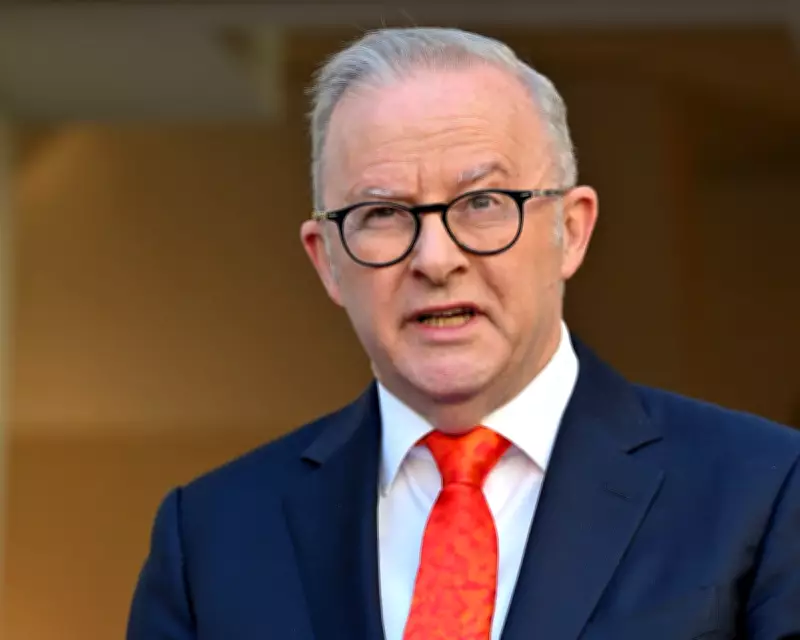
Australian Prime Minister Anthony Albanese has issued a strong call for the United States and Iran to return to negotiations, aiming for the full reopening of the strategically vital Strait of Hormuz. This appeal comes as Australia's new defence chief confirms that naval forces are prepared and capable of contributing to an international effort to ensure freedom of navigation in the region.
Disappointment Over Failed Talks and Call for De-escalation
Albanese expressed disappointment that weekend negotiations in Pakistan, led by US Vice-President JD Vance, failed to resolve the ongoing crisis. "We want to see the strait of Hormuz opened and with freedom of navigation taking place, so obviously, the lack of a resolution in the negotiations that took place on the weekend were disappointing," he stated. The Prime Minister emphasised the need for de-escalation and the resumption of diplomatic talks to address the blockade threat.
His comments followed an announcement by US President Donald Trump that an American blockade of the strait would commence from Tuesday morning, Australian time. Trump threatened to bomb Iranian infrastructure, including water treatment facilities and power plants, if Tehran did not abandon its nuclear weapons program. In response, Iran's Revolutionary Guard declared that any warships approaching to enforce a blockade would be treated as a breach of ceasefire, prompting a strong retaliation.

Australian Naval Forces on High Alert
As Albanese made his diplomatic push, he announced that Vice Admiral Mark Hammond, currently the chief of the Navy, will replace David Johnston as the Australian Defence Force chief in July. Hammond affirmed the readiness of Australian forces to support an international mission to reopen the strait, should the government decide to assist.
"The navy is ready as it ever has been," Hammond said, echoing Johnston's earlier statements. He detailed that eight of the navy's ten major combatant ships are currently deployed, equipped with advanced radar and missile-engagement systems. "Are they capable of performing the mission? As Johnson said last week, absolutely. The question of a contribution is one consideration by the Australian government, should they receive a request. And there's been no such request," he added.
Broader Regional and Global Implications
Albanese also stressed that the Australian government believes the ceasefire should extend to Israel's conflict with Hezbollah militants in southern Lebanon, expressing sympathy for the Lebanese diaspora in Australia affected by the violence. "I feel for grieving families who have lost innocent relatives and friends, wherever that occurs," he said, highlighting the broader humanitarian impact of regional tensions.
The crisis has significant global ramifications, with approximately 20% of global oil supplies typically passing through the Strait of Hormuz, now threatened by Iranian drone strikes and undersea mines. Energy Minister Chris Bowen noted that 57 fuel shipments, including crude oil and petrol, are en route to Australia, with the government making contingencies for supply without assuming the strait will reopen imminently.
In a further move to secure energy stability, Albanese and Foreign Minister Penny Wong will visit Brunei and Malaysia this week to shore up fuel supply agreements. The situation underscores the interconnectedness of diplomatic, military, and economic factors in this high-stakes international standoff.