
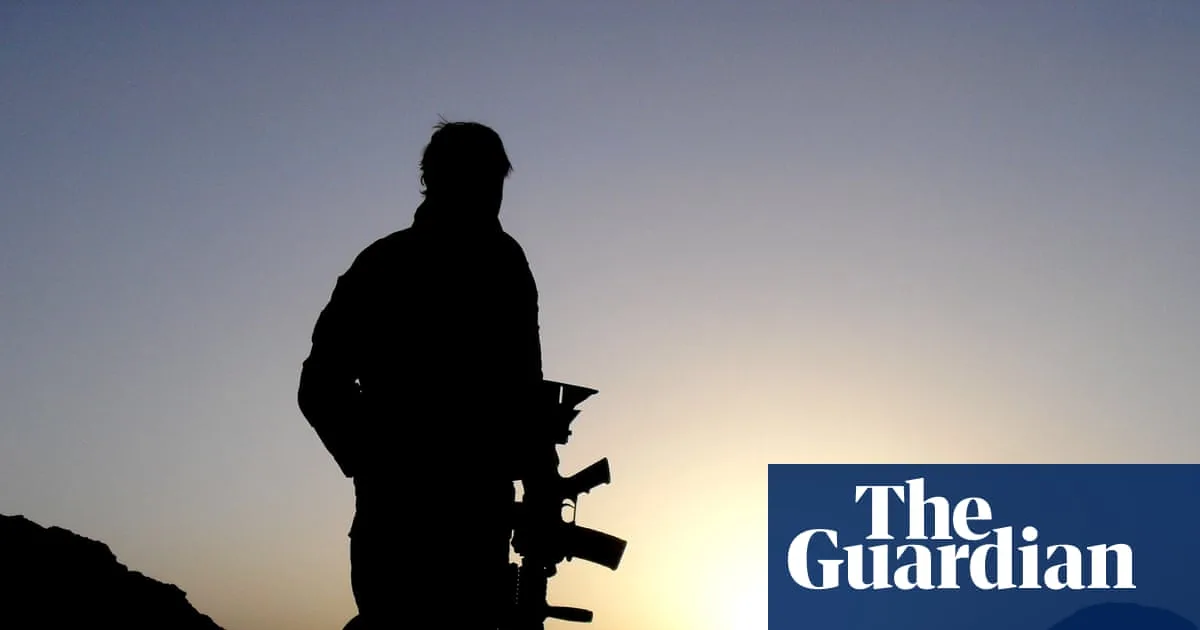
A whistleblower has told an inquiry that the former director of UK special forces and other senior military officers attempted to cover up concerns that SAS units were carrying out unlawful killings in Afghanistan. The allegations, among the most severe raised at the ongoing inquiry, claim that extrajudicial shootings, including of two children, continued until 2013 after the alarm was first raised in early 2011.
The whistleblower, referred to as N1466, said he flagged possible war crimes to the director of special forces in February 2011. He told the inquiry: 'We could have stopped it in February 2011. Those people who died unnecessarily from that point onwards, there were two toddlers shot in their bed next to their parents.' The allegation appears to refer to the serious injuries sustained by Imran and Bilal, children of Hussain Uzbakzai and Ruqquia Haleem, who were allegedly shot while asleep during a night-time operation in Nimruz province in 2012. Their parents were both killed.
N1466 alleged that the director suppressed information about the alleged criminality, ordering a review of tactics as a 'fake exercise' to avoid external scrutiny. He said: 'It was blatantly clear from the statistics and the patterns that there was something wrong here... The root problem was the intent [to kill].' After leaving the special forces, he returned in 2014 to find killings had continued into 2013.
When he reported concerns to the military police in 2015, N1466 said he was 'part of an organisation which allowed rogue elements to act as they did outside the law'. He described a raid where special forces shot at a mosquito net until there was no movement, only to find women and children inside. The incident was allegedly covered up, and the shooter was given an award.
The inquiry, led by Lord Justice Haddon-Cave, is investigating claims that 80 people were summarily killed by three different British SAS units in Afghanistan. The whistleblower expressed regret for not reporting his suspicions earlier, saying he had 'lost all faith that the chain of command would be minded to support a transparent and accountable investigation'.




