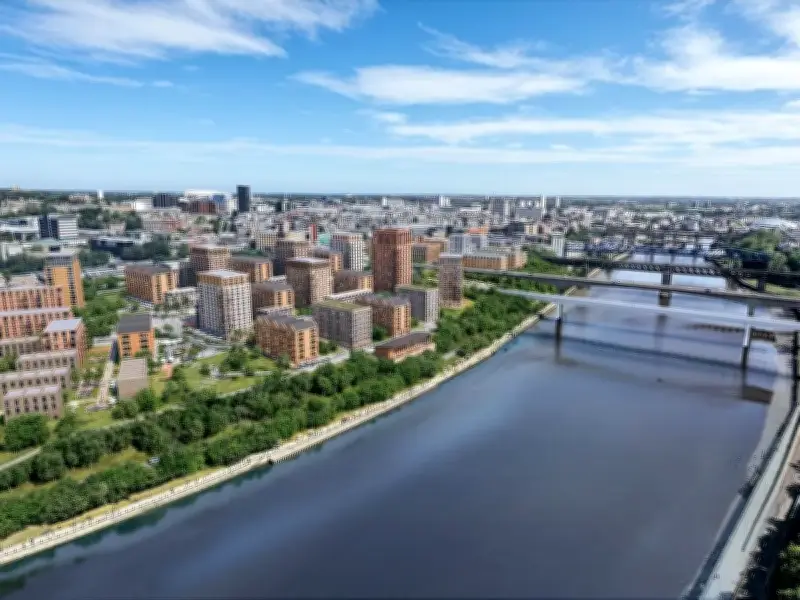
Councillors have argued that a major housebuilding drive to bring thousands more residents into central Newcastle and Gateshead is essential to protect Tyneside's green belt from development. Under a new masterplan, 16,000 new homes could be built in the urban core over the next 25 years, potentially reshaping the area significantly.
Local leaders have been debating the Strategic Regeneration Framework (SRF), which also proposes two new footbridges across the River Tyne and includes long-standing regeneration goals such as a new arena on the Gateshead Quays. A key ambition is to at least double the resident population of central Newcastle and Gateshead, currently around 32,000 people – including approximately 18,500 students.
Protecting the Green Belt
Mark Mitchell, deputy leader of Newcastle City Council, told cabinet colleagues on Monday evening that such a move was vital to avoid more housebuilding in green, rural areas. There have been longstanding complaints about the scale of new homes in outlying areas like Callerton.
Coun Mitchell, a Liberal Democrat, said: “We have significant ambitions to protect the green belt. We are not there yet, but we have a view of being explicit on this decision and in the Newcastle-Gateshead plan about protecting the green belt. Given our ambitions about addressing the issues around housing, if we are going to protect the green belt then we have to realise that having more housing, better housing, and affordable housing to support everybody, not just those on high incomes, in the urban core is the choice we have to make.”
Brownfield Development and Transport
Nick Hartley, leader of the Green Party in Newcastle, welcomed the focus on brownfield land but stressed that the major investment under the 2050 masterplan must be matched by sustainable transport improvements and ensure existing residents and businesses are not displaced. Lib Dem council leader Colin Ferguson pledged that the council did not want to “displace what is already there” and described the SRF as an “exciting opportunity” to rethink Tyneside's transport networks.
The plan includes two suggested footbridges – one next to the Redheugh Bridge and another connecting Ouseburn to Gateshead's South Shore area – plus ambitions for a new railway station near Gateshead College, water taxis, and improved walking and cycling routes.
Concerns Over Anti-Car Policies
At a Gateshead Council cabinet meeting on Tuesday morning, Reform UK council leader Nick Allan claimed his town had been “strangled” by efforts to remove car traffic and warned that councils should not “continue dogmatically with anti-car policies, especially on the east-west corridor”.
Coun Allan also insisted that new jobs must come into Gateshead through the plan, not just new housing, so the borough did not become a “provider of labour to Newcastle”. He called for a joined-up vision connecting various regeneration plans around Gateshead – including the Baltic Quarter and redevelopment of the corridor where the demolished A167 flyover stood – to prevent future generations facing what he called the current “disjointed economic desert”.
A public consultation on the 2050 masterplan is expected to start next month, after it is considered by the North East mayoral authority next week.