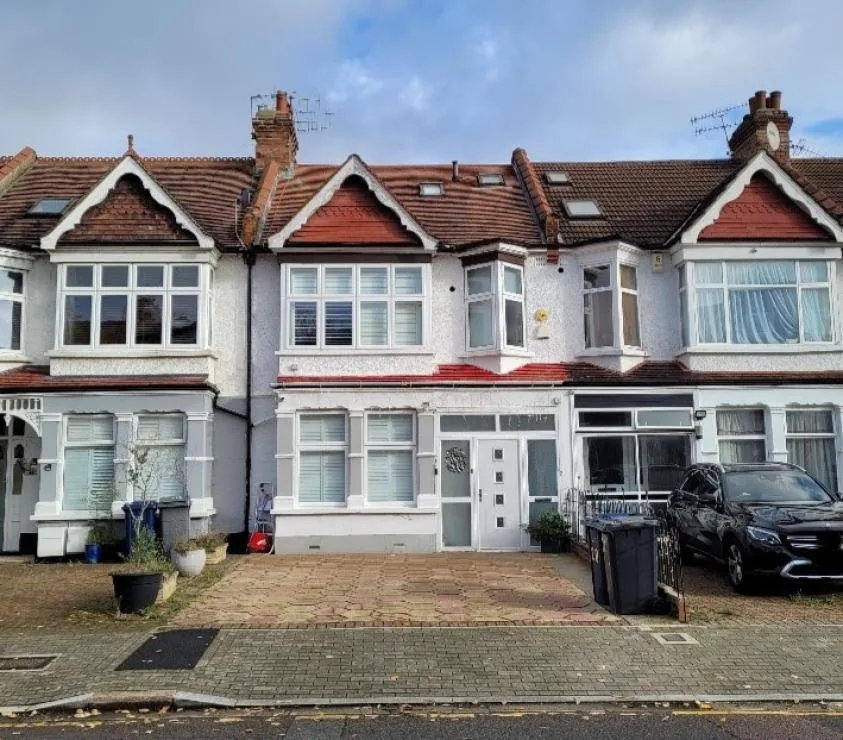
A north London landlord has been fined £75,000 plus costs after being found guilty of illegally letting two flats on short-term rental platforms. George Nathanel, director of Zenobia Properties, advertised the properties on Grove Road, North Finchley, on websites including Airbnb and Booking.com.
The flats had been granted planning permission in January 2016 for use as a self-contained single household. However, Barnet Council found evidence that both properties were being let for short periods, with at least 220 days of occupancy recorded across the two flats in the first ten months of 2024. Under planning rules, a property cannot be rented out for more than 90 days a year without planning permission.
The council first issued Nathanel a notice to cease use of the properties in November 2023 after neighbours complained about significant noise disturbances. One neighbour described the short-term lets as “stressful and devastating”, saying they had a detrimental impact on his life, work and mental health, severely affecting his ability to sleep and making living next door “unbearable”.
Nathanel, who said he was living in Russia and awaiting an operation, did not appear at court hearings. He claimed he was unaware of any short-term rentals and described the occupants as long-term tenants. However, reviews left on Airbnb described him as “an amazing, attentive, and responsive host”. The properties remain listed on Airbnb.
He was sentenced on June 26, 2025, after being found guilty of failing to comply with a Breach of Condition Notice. He was ordered to pay a fine of £75,000, council costs of £5,400 and a victim surcharge of £2,000. Councillor Ross Houston, Cabinet Member for Homes and Regeneration, said the prosecution highlighted the seriousness of the case and would act as a deterrent to other rogue landlords.
The case comes amid growing concerns about short-term lets in London. A University of Cambridge study suggested that a 10% increase in active Airbnb rentals in London could correspond to an additional 1,000 robberies per year. It is estimated there are around 12,000 short-term lets in central London alone.